

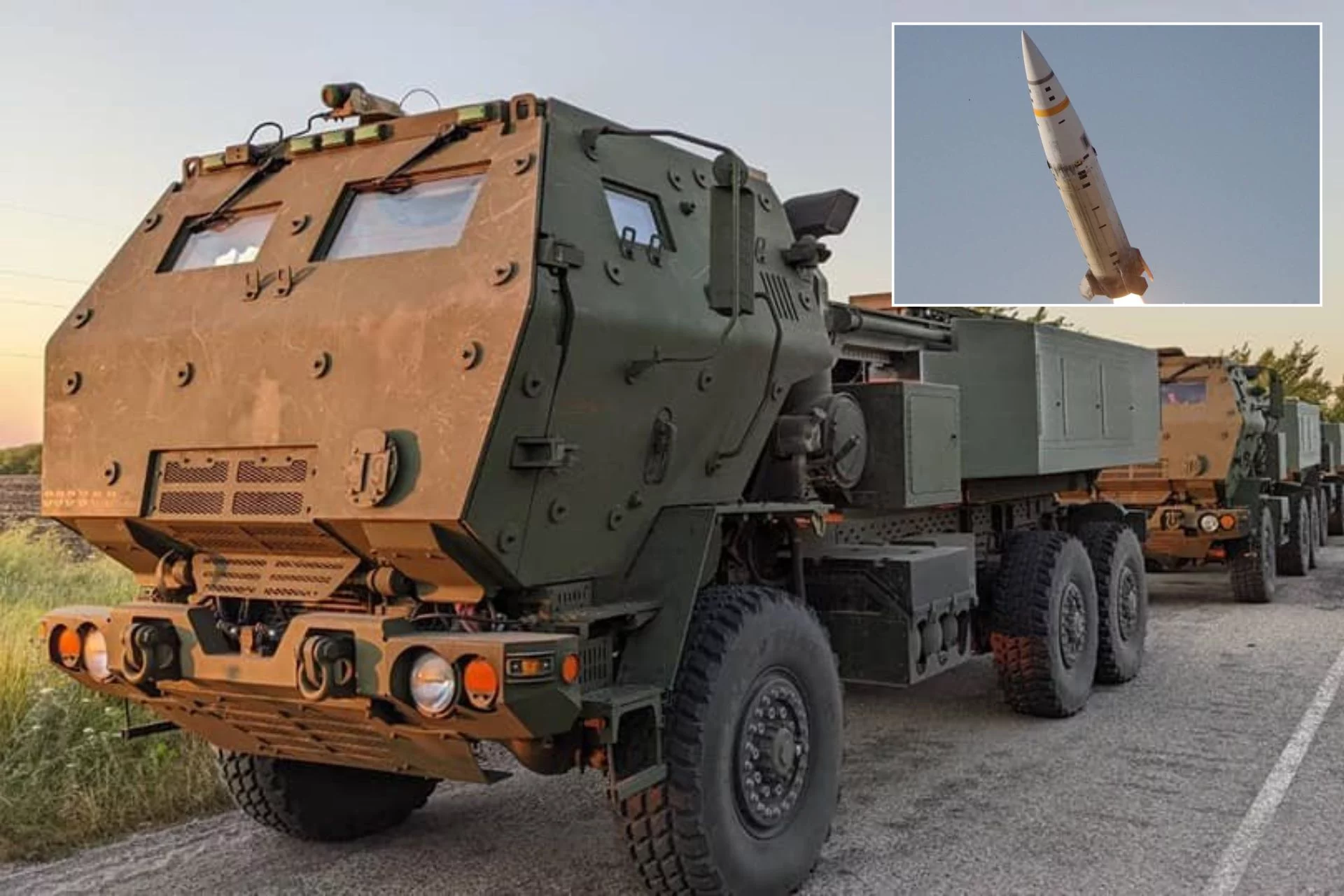
Ukraine’s General Staff has confirmed that U.S.-supplied ATACMS tactical ballistic missiles were used to strike targets inside Russia, marking the end of months of operational limits that had largely halted cross-border attacks. According to Kyiv, four missiles were launched from the Kharkiv region toward the Russian city of Voronezh.
Russia’s Defence Ministry claimed that all incoming ATACMS were intercepted by S-400 Triumph and Pantsir-S1 air defence systems, stating that debris damaged several buildings but caused no casualties. Ukrainian officials countered that the operation targeted military infrastructure and was a justified response to the sharp increase in Russian missile and drone attacks on Ukrainian cities.
With a range of approximately 300 kilometres, the ATACMS provides Ukraine with the ability to hit ammunition depots, command nodes, radar sites and logistics hubs deep inside Russian territory. Kyiv stresses that these limited-stock missiles are reserved for high-value targets identified through a combined intelligence process involving Western ISR assets and national reconnaissance capabilities.
The strike occurred amid a period of intensified Russian attacks on Ukraine’s power grid and civilian infrastructure. In parallel, Moscow announced new Iskander-M launches aimed at Ukrainian rocket artillery positions, signalling an attempt to deter further cross-border strikes.
The decision by the U.S. administration in late 2024 to loosen restrictions on ATACMS employment opened a new phase in long-range strike policy. Ukraine’s public confirmation in November 2025 suggests further relaxation of those limits or a broader interpretation of permissible targets.
Analysts note that the renewed use of ATACMS not only enhances Ukraine’s capacity to pressure Russian rear areas but also increases Kyiv’s reliance on U.S. political decisions. As a result, NATO capitals face growing debate regarding the export, interoperability, and political conditions surrounding long-range strike systems.
