

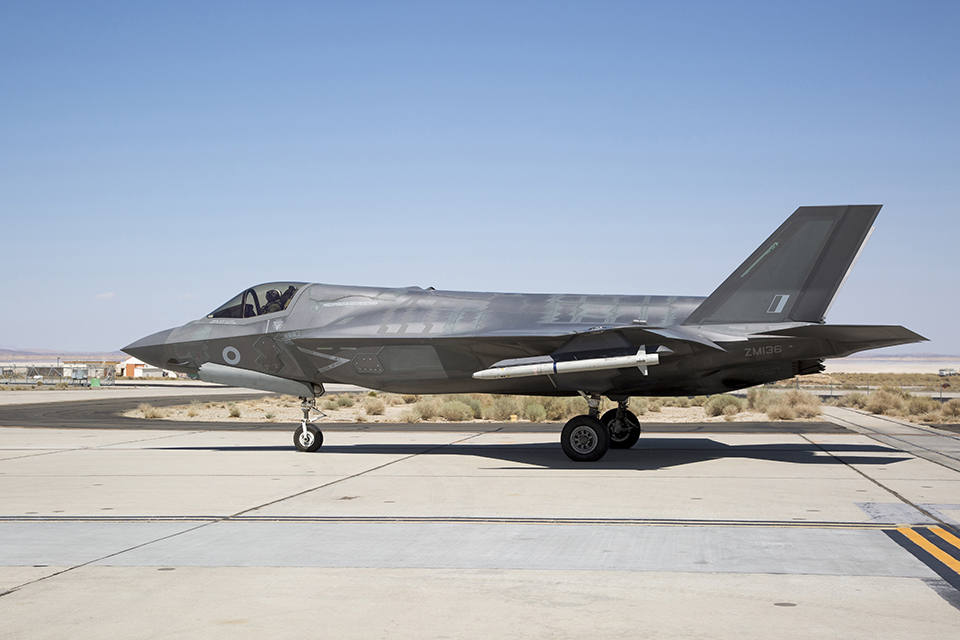
A new UK Parliament report released on 31 October 2025 recognizes the F-35B Lightning II as a significant technological advancement for British airpower but highlights persistent gaps in readiness and capability. Maintenance, training, and weapons integration issues continue to threaten full operational deployment.
F-35B Lightning II
The F-35 Lightning II is regarded as one of the most advanced multirole fighters in the world. The British F-35B can operate from aircraft carriers and short runways thanks to its STOVL (Short Takeoff and Vertical Landing) capability.
- AN/APG-81 AESA radar and Distributed Aperture System for superior situational awareness
- Stealth and sensor fusion technology
- Precision air-to-air and air-to-ground capabilities
- Day and night, adverse weather operations
The F-35A variant offers extended range and supports NATO’s dual-capable nuclear mission.
Current Operational Shortfalls
The report identifies key limitations in the UK F-35B fleet:
- Lack of long-range standoff strike capability
- Aircraft availability shortfalls
- Delayed infrastructure upgrades
The MBDA SPEAR 3 missile is intended to fill the gap, but integration has been delayed to the early 2030s, limiting the fleet’s ability to conduct deep-strike missions while exploiting stealth.
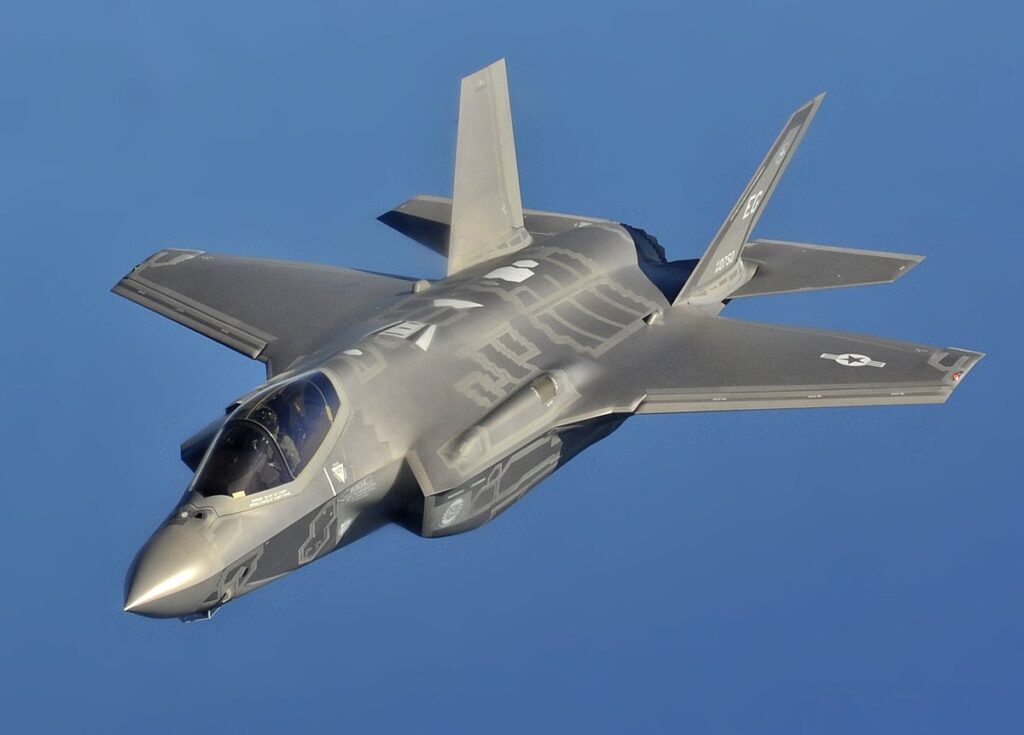
Personnel and Training Challenges
A major weakness of the program is the shortage of qualified technical personnel:
- Airframe engineers and mission data specialists are insufficient
- Pilot and certified instructor gaps exist
- Training facilities are inadequate, impacting morale
As of 2025, only 5 of 16 flying instructor positions were filled. Recruitment and integration of 168 new personnel will take several years.
Infrastructure and Sovereignty Issues
RAF Marham’s housing and support facilities are substandard, affecting morale and retention. The UK currently lacks a domestic facility to validate F-35 stealth characteristics, remaining dependent on U.S. infrastructure, which limits sovereign operational independence.
Strategic Implications
To achieve the F-35B fleet’s full potential, the UK Ministry of Defence must:
- Complete weapons integration and standoff capabilities
- Address personnel and training shortages
- Accelerate infrastructure modernization
- Strengthen sovereign maintenance and validation capabilities
Without these measures, the UK risks operating a world-class fleet with limited capability for sustained fifth-generation operations.
