

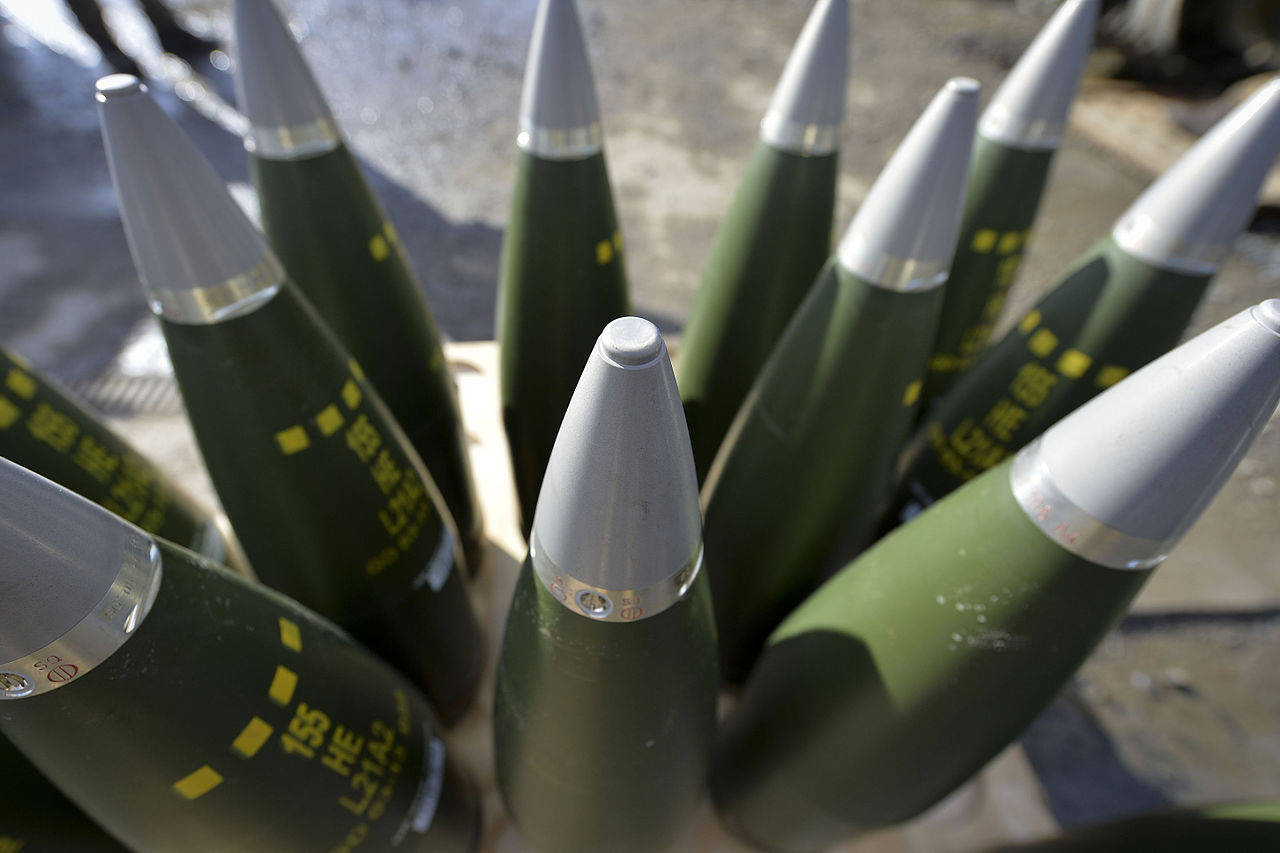
The UK government has outlined the first concrete steps toward building at least six new munitions and energetics factories under its Energetics Information Notice, signaling a major push to restore sovereign production capabilities. However, details show that long-term viability will depend primarily on foreign customers rather than routine Ministry of Defence demand.
Strategic Goals and Investment Plans
The programme aligns with the Strategic Defence Review, emphasizing a sustained, “always-on” pipeline for munitions. The notice highlights multi-year investments, feasibility studies, engineering design work, and site support, aiming to create a resilient domestic production base.
Export-Driven Model
Bidders are instructed to plan for scenarios where UK MoD demand may be minimal, with exports and civilian markets expected to form the majority of demand. The government confirmed that the Defence Exports team will actively support international sales campaigns.
Financial Structure
Companies are expected to rely on private capital, investors, and international orders, as MoD funding will not be the main financial source. This approach allows the UK to rebuild critical materials capacity while limiting the burden on the defence budget.
Materials and Timeline
The factories will produce a wide range of energetics including RDX, HMX, TNT, nitrocellulose, ammonium perchlorate, and other key components for modern munitions. Construction is planned to begin in 2026 after feasibility and engineering studies.
Locations and Objectives
The Ministry of Defence has identified 13 potential sites from Monmouthshire to Cumbria and Teesside to Pembrokeshire. The first plant’s design work has been commissioned, with construction expected to start next year. The new facilities aim to restore high-volume production for the first time in nearly two decades, covering propellants, explosives, and pyrotechnics, strengthening the UK’s sovereign defence industrial base.
