

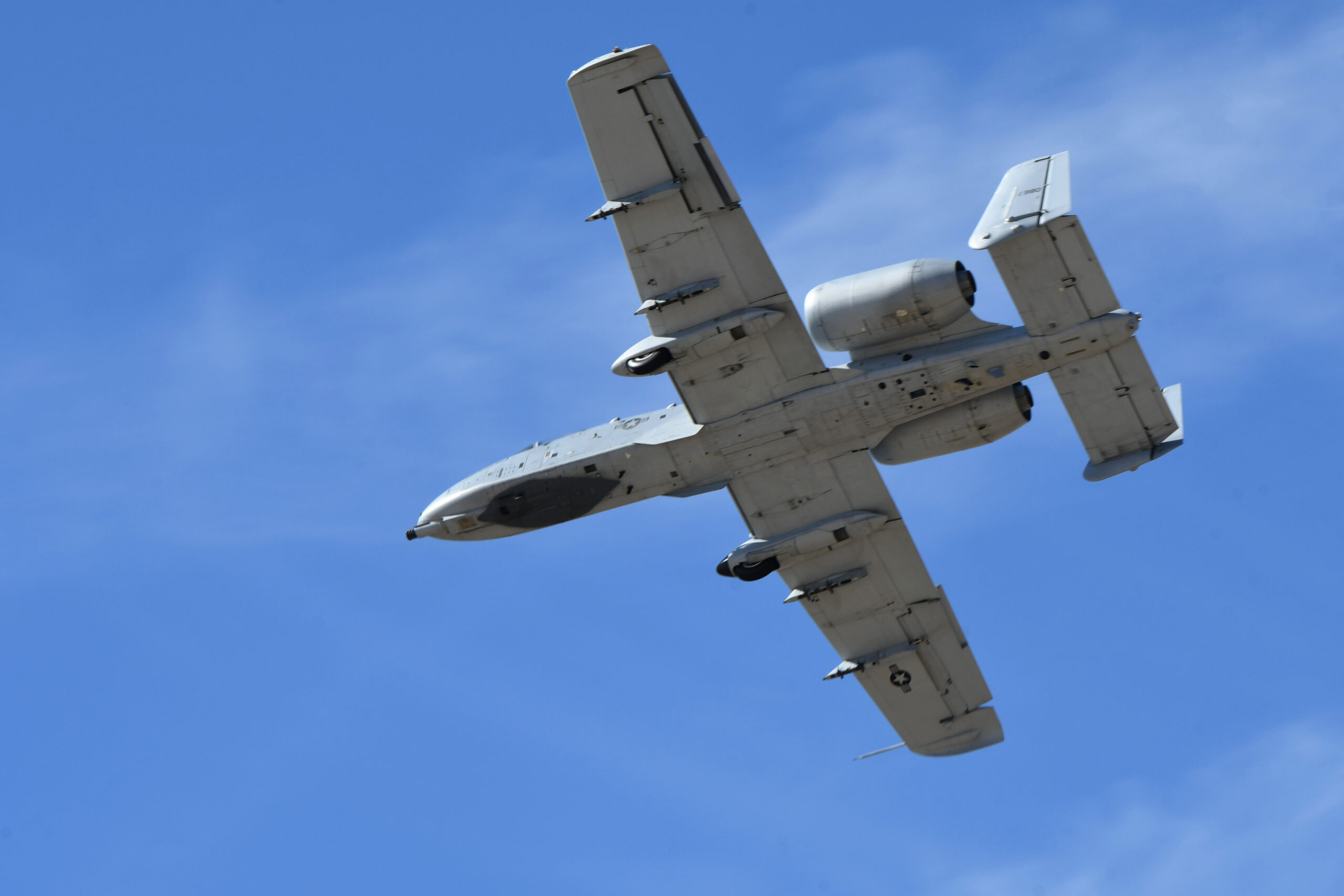
In a bold realignment of priorities, the U.S. Air Force has announced plans to retire the entirety of its A-10 Thunderbolt II fleet—also known as the Warthog—by fiscal year 2026, accelerating the phase-out of the iconic close air support aircraft in favor of funding advanced, next-generation systems.
The plan, detailed in the service’s latest aircraft divestment proposal, seeks to retire 162 A-10s along with 178 other aging platforms, including F-16s, F-15s, tankers, cargo planes, and helicopters—a total of 340 aircraft. The sweeping cut is part of a broader budget strategy designed to free up resources for modern air dominance tools, including the sixth-generation F-47 fighter jet and upgrades to existing F-35s.
Air Force officials argue that the A-10, though revered for its battlefield performance in Iraq and Afghanistan, no longer aligns with the operational needs of a future conflict landscape—particularly in the Indo-Pacific region, where long-range, high-tech threats demand more survivable and versatile aircraft.
“This is not about nostalgia—it’s about readiness for tomorrow’s war,” a senior Air Force official said. “We need to retire aging aircraft to invest in survivability, lethality, and future technology.”
The decision is expected to spark pushback in Congress, which has repeatedly blocked past attempts to retire the A-10, citing its unique capabilities and battlefield value to ground troops. Lawmakers will likely contest the 2026 timeline, especially with the simultaneous drawdown of other critical assets, including 62 F-16s, 21 F-15Es, and 14 KC-135 tankers.
While the retirements are extensive, new fighter acquisitions remain modest. The Air Force plans to purchase just 45 fighters in 2026, well below its stated requirement of 72 per year to replenish a shrinking inventory. The service is requesting funding for 24 F-35As, down from 48 the previous year, and 21 F-15EXs pending congressional approval through the reconciliation process.
The reduced F-35 buy is part of a strategy to maintain minimum production lines, redirect funds toward Block 4 modernization, and invest $1 billion in spare parts to resolve longstanding maintenance and readiness issues. A Defense Department spokesperson emphasized that the cuts were not a result of the recent 8% budget shift mandated by Defense Secretary Pete Hegseth.
Instead, the Air Force is placing a strategic bet on the F-47 next-generation fighter program, requesting $3.5 billion in FY2026—$2.6 billion from the base budget and $900 million from reconciliation funds—to accelerate its development.
Despite industry constraints and fiscal limitations, officials remain firm in their direction. “Fighter production must be balanced with what industry can actually deliver,” said an Air Force spokesperson. “Our priority is a force that’s smaller, but smarter, faster, and deadlier.”
As the A-10 nears the end of its decades-long service, the move marks a definitive shift from legacy platforms to a digitally native air fleet, one designed to meet the demands of modern great-power competition.
