

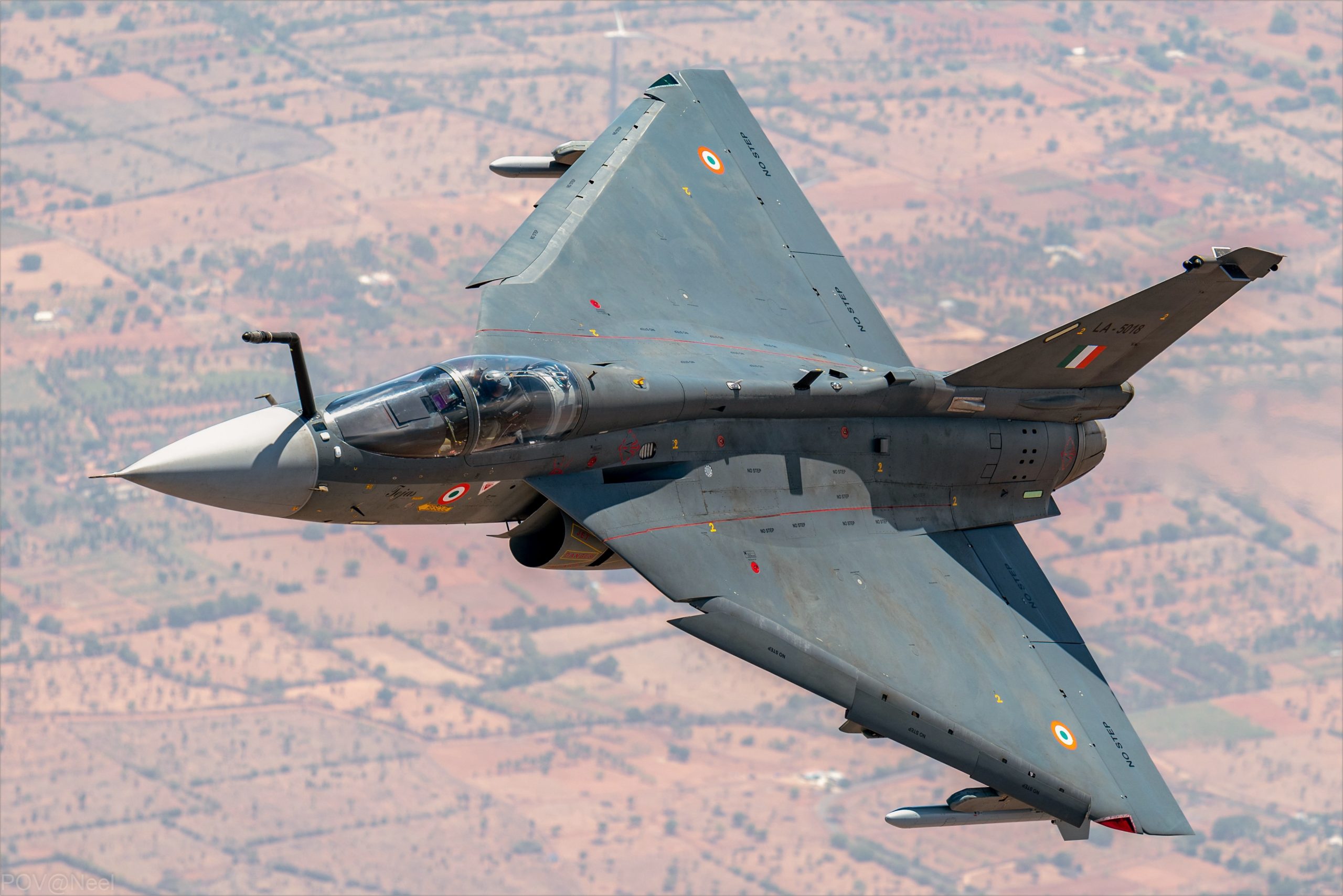
India’s indigenous fighter jet project, the Tejas Mk1A, has gained fresh momentum after the United States confirmed a steady resumption of GE F404-IN20 engine deliveries. This move eliminates months of production delays caused by supply chain disruptions and provides Hindustan Aeronautics Limited (HAL) with the stability it urgently needed. The announcement came just before New Delhi approved a massive follow-on order of 97 Tejas Mk1A aircraft, solidifying the jet’s role as the backbone of the Indian Air Force’s modernization strategy.
GE Aerospace committed to supply 12 engines by the end of 2025, maintaining a delivery pace of two units per month through March 2026. This consistency is crucial for HAL to meet its revised goal of rolling out 12 aircraft by December 2025. Earlier setbacks, including more than a year’s delay in the initial contract deliveries, had drawn penalties from India’s Ministry of Defence. With stable deliveries restored, HAL is now expected to regain production rhythm and rebuild confidence in the program.
On August 19, the Defence Acquisition Council cleared a landmark $7.4 billion deal for 97 more Tejas Mk1A fighters, nearly doubling the fleet under construction to 180 aircraft. Categorized under “Buy Indian – IDDM,” the contract underscores New Delhi’s determination to accelerate defense indigenization and reduce foreign dependence.
The Tejas Mk1A is a single-engine, delta-wing, multirole light combat aircraft equipped with AESA radar, electronic warfare suites, and precision strike systems. Its core powerplant, the GE F404-IN20 turbofan, generates 19,000 pounds of thrust, delivering agility, acceleration, and reliability suited for high-tempo operations.
For India, the GE partnership is not just about supply—it ensures strategic continuity at a time when aging MiG-21s and Jaguars are retiring, leaving a squadron gap only Tejas can fill. Reliable engine flow is vital to sustaining operational readiness and advancing India’s defense industrial base.
Geopolitically, the development comes as China expands its air bases in Tibet and Pakistan enhances its fleet with JF-17 Block III fighters. Strengthening Tejas production helps India maintain credible deterrence in South Asia while safeguarding strategic autonomy.
GE has also pledged to double annual F404-IN20 production to 24 engines by 2027 and accelerate co-production of the more powerful F414 engine in India for the upcoming Tejas Mk2.
This milestone marks a turning point for India’s Light Combat Aircraft initiative, reinforcing the Indian Air Force’s combat readiness and advancing the nation’s long-term vision of defense self-reliance.
