

Russia’s State Duma on October 8, 2025, approved the country’s withdrawal from the Plutonium Management and Disposition Agreement (PMDA), signed with the United States in 2000. The accord required both nations to safely dispose of 34 metric tons of weapons-grade plutonium each — enough for thousands of warheads.
The decision marks another step in the breakdown of U.S.–Russia arms control, as the New START treaty — the last remaining nuclear limitation agreement — approaches its 2026 expiration. The Kremlin cited the “collapse of trust and deterioration of the arms-control framework with Washington” as the main reason for the move.
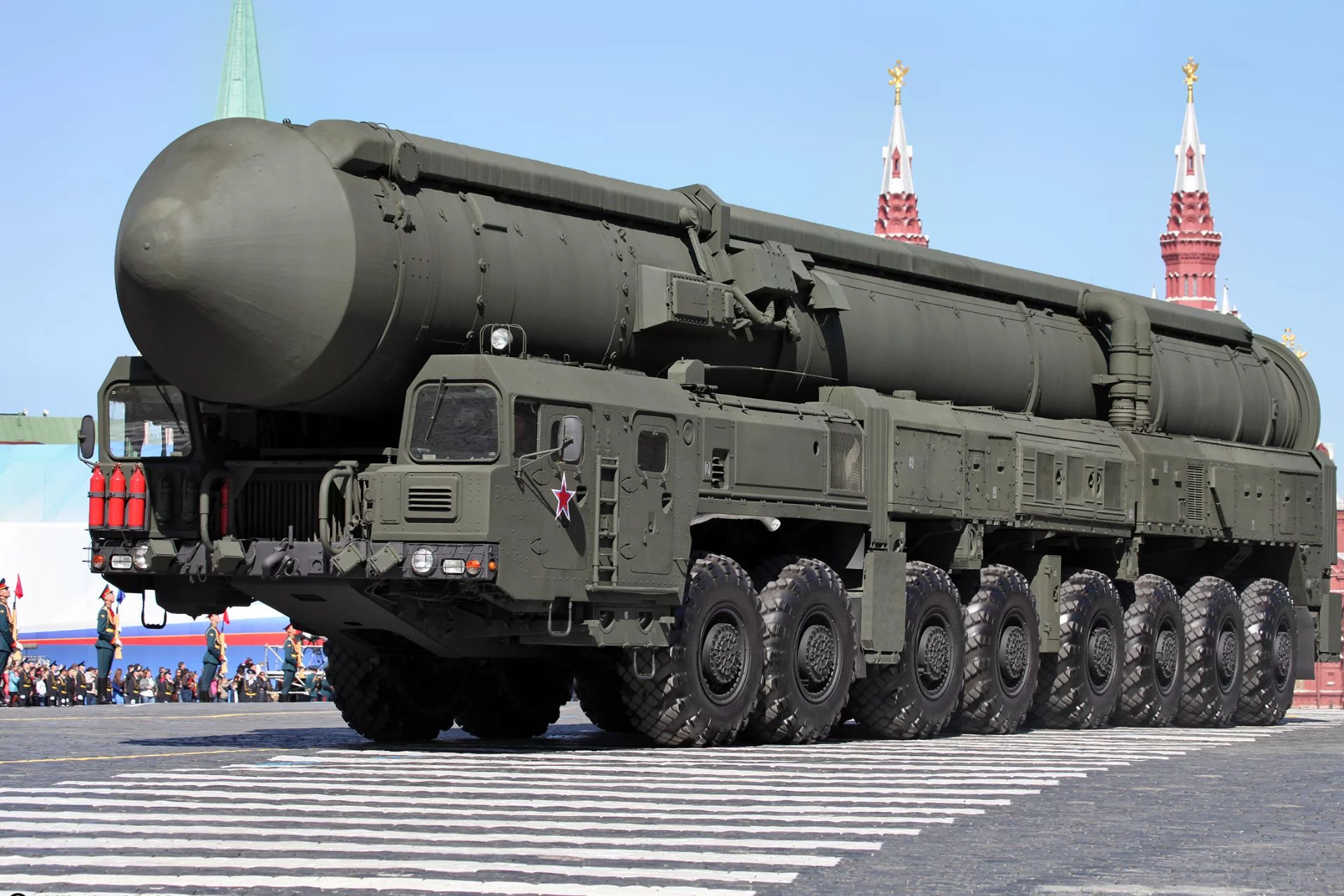
Russia’s strategic nuclear triad — including Topol-M, Yars, RS-18 Avangard, RS-20 ICBMs; Tu-95MS and Tu-160 bombers; and Borei/Borei-A class submarines — ensures its second-strike capability. Analysts note that halting plutonium disposal allows Moscow to maintain or rebuild warhead stockpiles compatible with these delivery systems.
Moscow’s updated nuclear doctrine in 2024 lowered its declared threshold for nuclear use, and in 2025 it confirmed the deployment of tactical nuclear weapons in Belarus. These developments, alongside closer ties with North Korea, Iran, and China, are heightening global nuclear risks.
Experts warn that the end of the PMDA represents more than a bureaucratic decision — it removes a critical safeguard that once helped manage nuclear escalation between the world’s leading powers.
