

U.S. intelligence agencies have identified multiple Venezuelan military-controlled facilities allegedly involved in drug trafficking operations, The Wall Street Journal reported on October 30, 2025. The plan, now awaiting President Donald Trump’s approval, marks a sharp escalation in Washington’s approach toward Nicolás Maduro’s regime.
Suspected Drug Routes and Military Links
According to officials, potential targets include naval installations, covert airstrips, and ports believed to facilitate narcotics shipments toward the Caribbean and Central America. If approved, it would represent the first U.S. air campaign on Latin American soil in decades, significantly raising regional tensions.
Pentagon Steps Up Aerial Posture
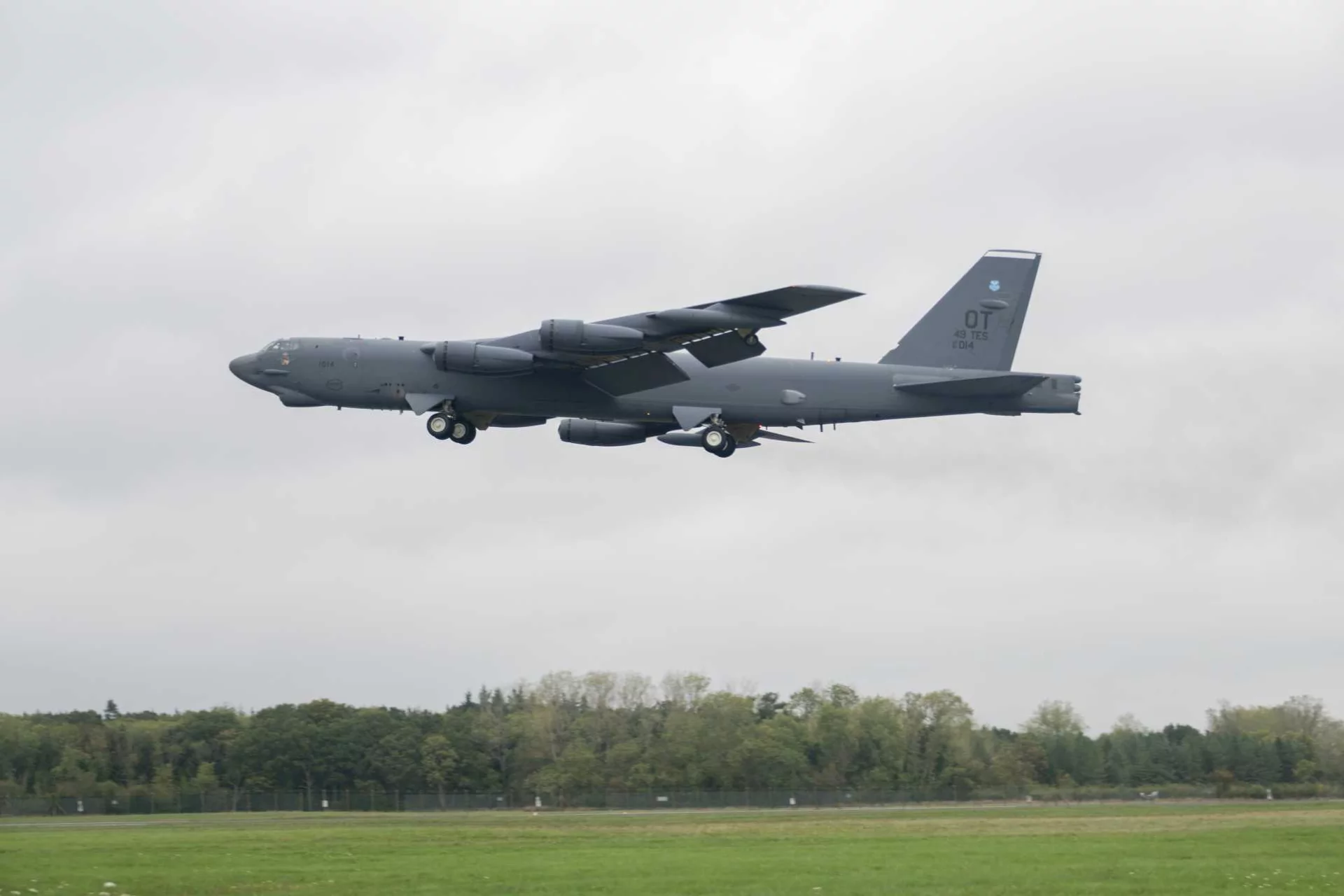
In recent weeks, the U.S. Air Force has intensified operations in the Caribbean. B-52 Stratofortress and B-1B Lancer bombers have flown long-range missions near Venezuelan airspace to test radar coverage and readiness levels.
CIA Authorized for Covert Action
In a rare public statement, President Trump confirmed he had authorized the Central Intelligence Agency (CIA) to conduct covert operations within Venezuela. Intelligence officials indicate that these missions include surveillance, target mapping, and pre-strike preparation.
Legal and Strategic Implications
Analysts warn that shifting from maritime interdictions to sovereign airstrikes would open a new chapter in U.S. military doctrine. Pentagon lawyers are currently reviewing the legality under U.S. and international law, including the War Powers Resolution and the U.N. Charter.
Venezuela Responds Militarily
In response, Venezuelan forces have begun repositioning mobile radar units and activating Soviet-era S-125 Pechora and Buk surface-to-air missile systems along coastal regions.
Expected Strike Profile
Defense analysts believe any U.S. operation would rely on stealth aircraft or standoff munitions such as the AGM-158 JASSM, allowing precision strikes without entering Venezuelan air defenses.
Experts argue the Trump administration is blurring the line between counter-narcotics and regime-change strategies, framing Venezuela’s alleged trafficking network as a direct threat to the U.S. homeland. Initial strikes could target remote facilities, escalating only if Maduro refuses to comply.
