

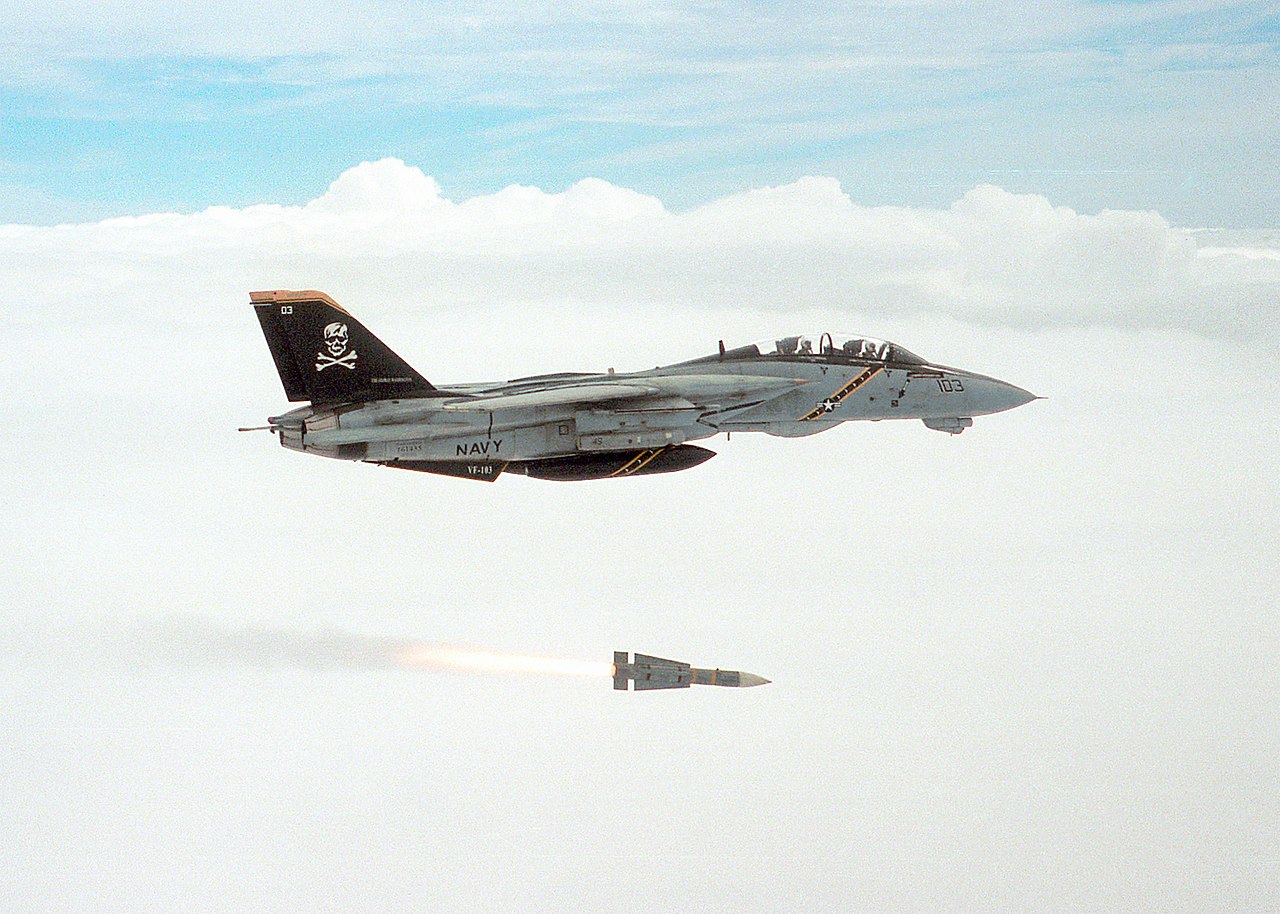
Air-Launched Cruise Missile (ALCM) is one of the most important components of modern military technology: long-range munitions launched from airborne platforms that can reach their targets with high precision. These missiles play a critical role on the battlefield thanks to their strategic and tactical uses. In this blog post we will cover the history of ALCMs, how they work, their types and uses, as well as their advantages and disadvantages. We will also discuss expected future developments in this technology to better understand their importance in warfare strategy.
What Is an Air-Launched Cruise Missile (ALCM)?
An Air-Launched Cruise Missile (ALCM) is a long-range munition launched by aircraft that can travel to a target with high precision, typically cruising at low altitude. These missiles can be used for both offensive and defensive purposes and are often equipped with stealth features.
ALCMs can carry different types of warheads regardless of the launch platform, which makes them effective for both conventional and nuclear strikes. They are usually powered by turbojet or ramjet engines and play a critical role in modern combat. Thanks to operational flexibility, they can evade enemy air-defense systems while approaching targets. These capabilities make ALCMs an indispensable element of today’s military strategies.
History of Air-Launched Cruise Missiles (ALCMs)
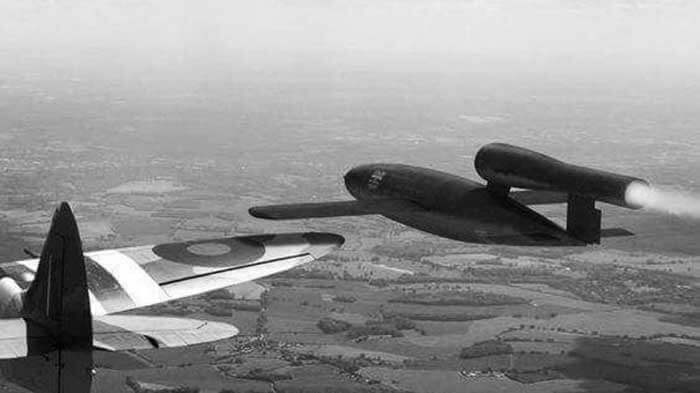
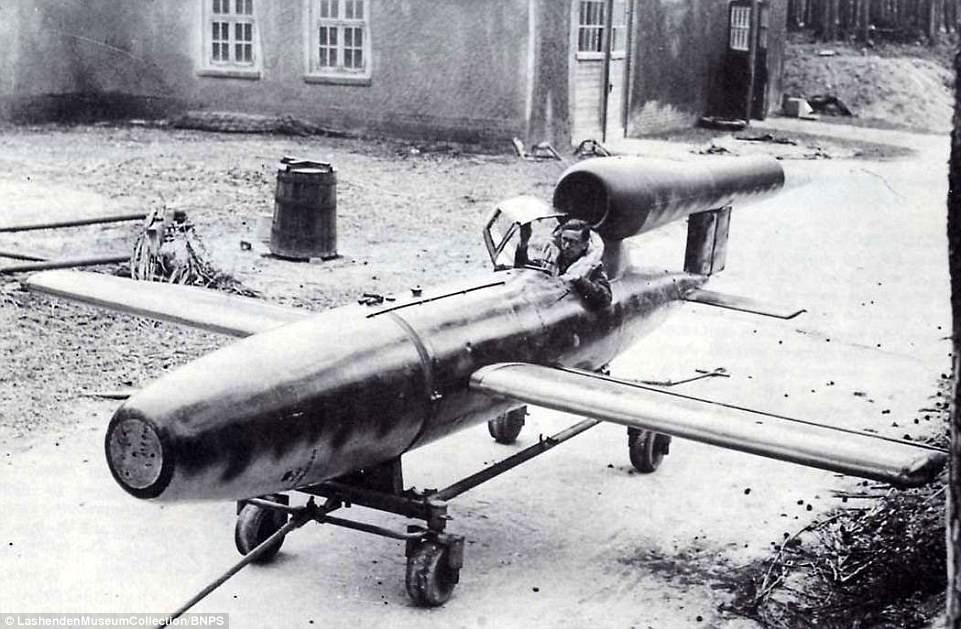
The history of Air-Launched Cruise Missiles (ALCMs) goes back to World War II. Germany took an early step in this field in the 1940s with the V-1 flying bomb. Powered by a pulsejet engine, these weapons were used in attacks on London and changed conventional warfare. After the war, the US and the Soviet Union accelerated work on cruise missiles.
During the Cold War—especially in the 1980s—various countries modernized ALCMs and developed new systems. The 1991 Gulf War demonstrated the battlefield effectiveness of these missiles. Since then, ALCMs have become an indispensable part of international military strategies. Today, systems such as the US inventory’s AGM-86 and the AGM-158 JASSM are notable for changing the dynamics of warfare. Thus, air-launched cruise missiles remain a key factor in determining military power balances.
How an Air-Launched Cruise Missile (ALCM) Works
An Air-Launched Cruise Missile (ALCM) is a long-range projectile system equipped with advanced technologies to reach a specified target. After launch from an aircraft, these missiles cruise along a preplanned route toward their objectives.
The basic principles involve wing structures and propulsion systems. The wings provide lift for sustained flight, while turbojet or ramjet engines supply thrust. Targeting accuracy is achieved through integration of advanced guidance technologies such as GPS and inertial navigation systems. These systems allow the missile to follow the correct route during its flight and reach the target effectively.
Because they can fly at low altitude, ALCMs can penetrate radar coverage and evade enemy defenses, increasing the likelihood of mission success. In short, ALCMs combine high technology and engineering to play a critical role on the modern battlefield.
Types of Air-Launched Cruise Missiles (ALCMs)
There are various types of Air-Launched Cruise Missiles (ALCMs), differing by design purpose, range capability, and technological features. Here are some of the most common ALCM types:
- AGM-86 ALCM: Used by the U.S. Air Force, these missiles can carry nuclear or conventional warheads. The AGM-86 is designed for strategic targets and offers high precision.
- AGM-158 JASSM: Produced by Lockheed Martin, this missile is notable for its low observability (stealth) characteristics. With about 250 km range, it offers high accuracy.
- SOM (Stand-Off Munition): Developed by Turkey, these missiles incorporate advanced technologies and are effective in modern battlefields. They stand out for long range and flexible employment.
- Storm Shadow / SCALP: Developed by France and the UK, these long-range cruise missiles are known for high strike accuracy against deep targets.
These types allow ALCMs to be used effectively in different military scenarios, holding an important place in modern warfare strategies.
Uses of Air-Launched Cruise Missiles (ALCMs)
Air-Launched Cruise Missiles (ALCMs) are versatile and effective weapon systems in modern warfare. Initially used to strike enemy facilities from a distance, these missiles play a significant role in attacks against strategic targets. Offering flexibility in offensive and defensive strategies, ALCMs are commonly used in the following areas:
- Striking Strategic Facilities: Capable of carrying nuclear or conventional warheads, these missiles can neutralize important military and industrial targets by overcoming enemy air-defense systems.
- Penetrating Air-Defense Systems: Low-altitude cruise capability makes them harder for radars to detect, enabling more effective infiltration of hostile airspace.
- Psychological Warfare: High strike capability and accuracy can be used to exert pressure on the enemy, lowering morale and potentially influencing the course of a conflict.
- Support for Air Operations: Alongside unmanned aerial vehicles and other air platforms, ALCMs can provide effective support for ground forces.
In summary, air-launched cruise missiles offer strategic and tactical advantages in modern military operations and can be decisive on the battlefield.
Advantages and Disadvantages of Air-Launched Cruise Missiles (ALCMs)
Air-launched cruise missiles have numerous advantages and some disadvantages. Their primary advantage is high target precision. Modern navigation systems enable accurate target acquisition, making it easier to penetrate enemy defenses. Additionally, their long range allows launch aircraft to operate without being detected by the enemy.
Another advantage is stealth. Low-altitude flight capability makes detection by radar systems difficult, enabling surprise attacks.
However, there are disadvantages. ALCMs are expensive to produce and maintain. Their complex technologies increase the likelihood of system failures. Finally, reaching strategic targets often requires supporting systems, which adds operational complexity to missions. For these reasons, the use of ALCMs demands careful strategic planning.
The Future of Air-Launched Cruise Missile (ALCM) Technology
The future of ALCM technology will undergo significant changes alongside advanced warfare strategies and technological progress. First, increasing stealth features is a major goal. This will minimize detection by enemy radar and improve operational success.
Moreover, integrating artificial intelligence will enhance autonomous decision-making capabilities of missiles, making target acquisition and strike processes faster and more accurate. This will enable missiles to operate more effectively in dynamic battlefields.
Additionally, data-link systems will provide real-time information flow, allowing rapid responses to changing mission conditions such as aborting a strike if necessary. As a result, more flexible systems will emerge to counter quickly evolving threats.
In conclusion, the future of ALCM technology points to a new era characterized by higher precision, greater autonomy, and improved stealth. These advances will continue to play a decisive role in modern warfare strategies.
