

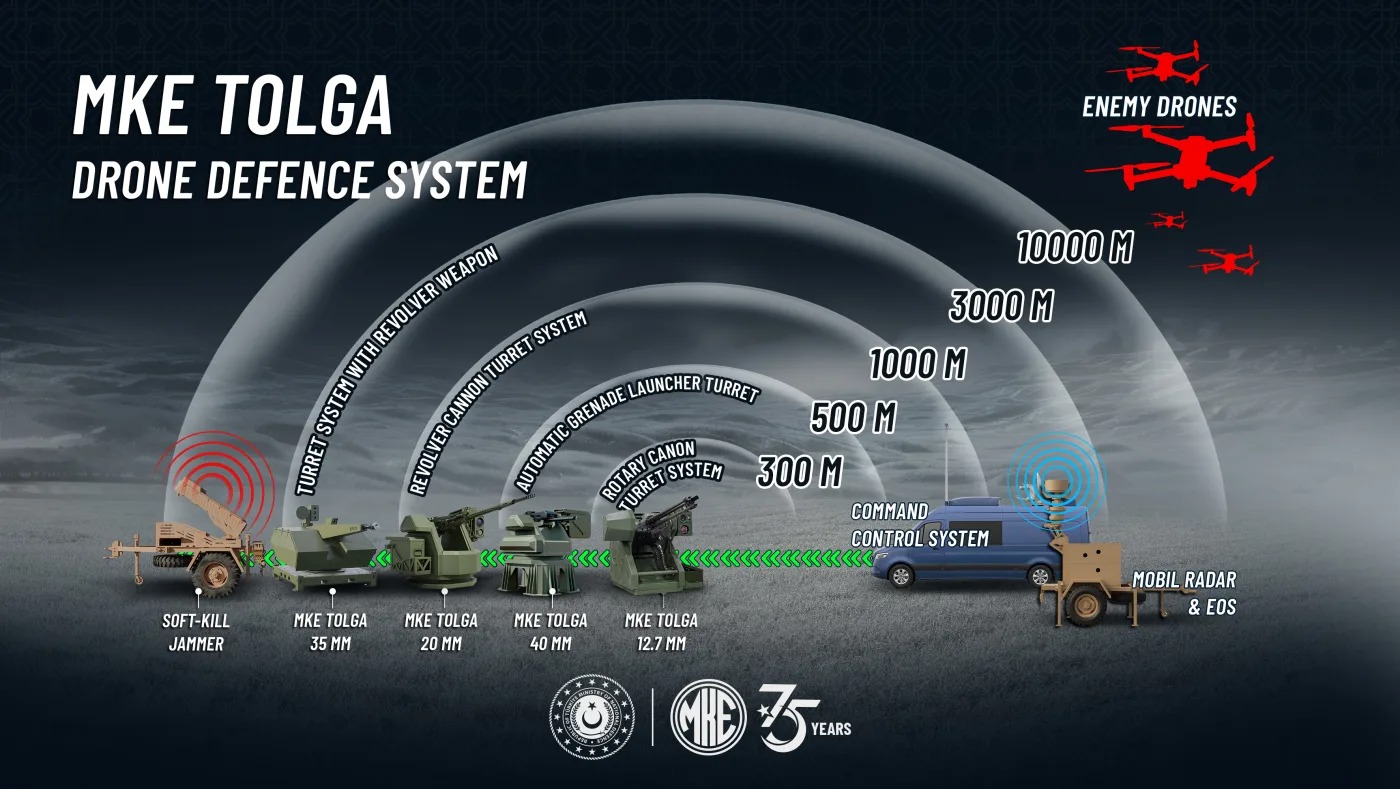
Türkiye has taken another major step in strengthening its layered air-and-drone defence architecture as state-owned defence manufacturer Makine ve Kimya Endüstrisi (MKE) successfully completed the first live-fire test of its newly developed TOLGA Short-Range Air Defence System. The landmark test, carried out with fully indigenous technologies, marked a significant breakthrough in countering the rapidly evolving threat of mini/micro UAVs, tactical drones, smart munitions, and low-flying cruise missiles.
The test took place at the Ministry of National Defence Karapınar Firing, Test, and Evaluation Center, where nearly 100 participants—including senior officers from the Turkish Armed Forces and representatives from security agencies—observed the system’s debut performance.
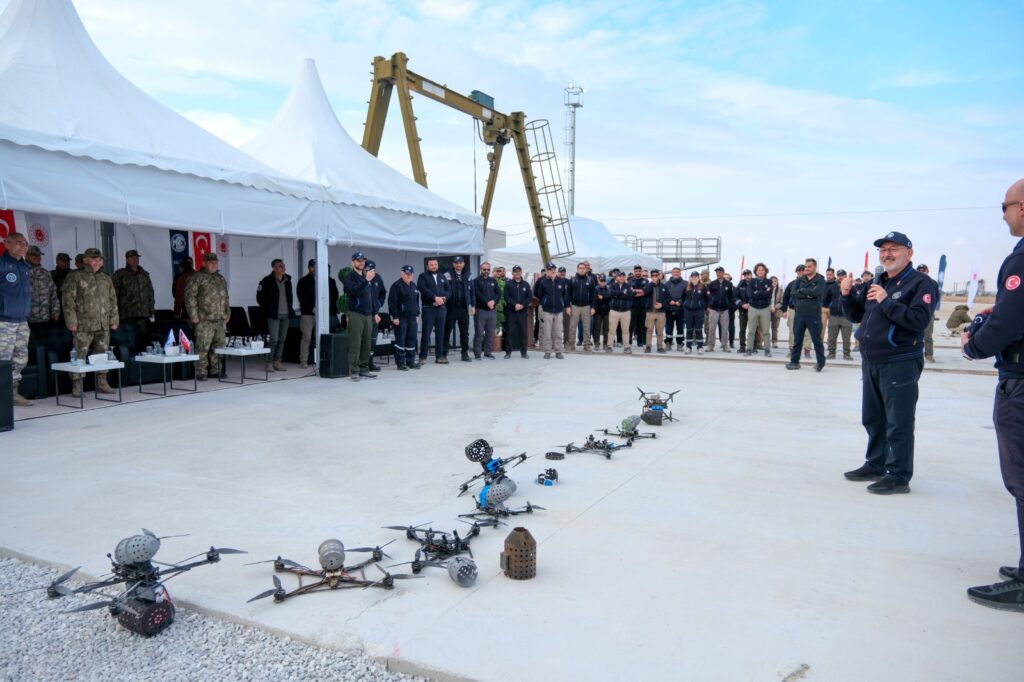
Eight Scenarios, Eight Successful Neutralizations
During the test campaign, the TOLGA system demonstrated full operational effectiveness by achieving 100% success across eight different attack scenarios.
In the soft-kill engagement, an enemy drone positioned approximately 3 kilometers away was detected by the system’s mobile radar unit and neutralized through signal disruption using the integrated jammer module.
Hard-kill scenarios tested a combination of weapon systems, including:
35 mm anti-drone ammunition,
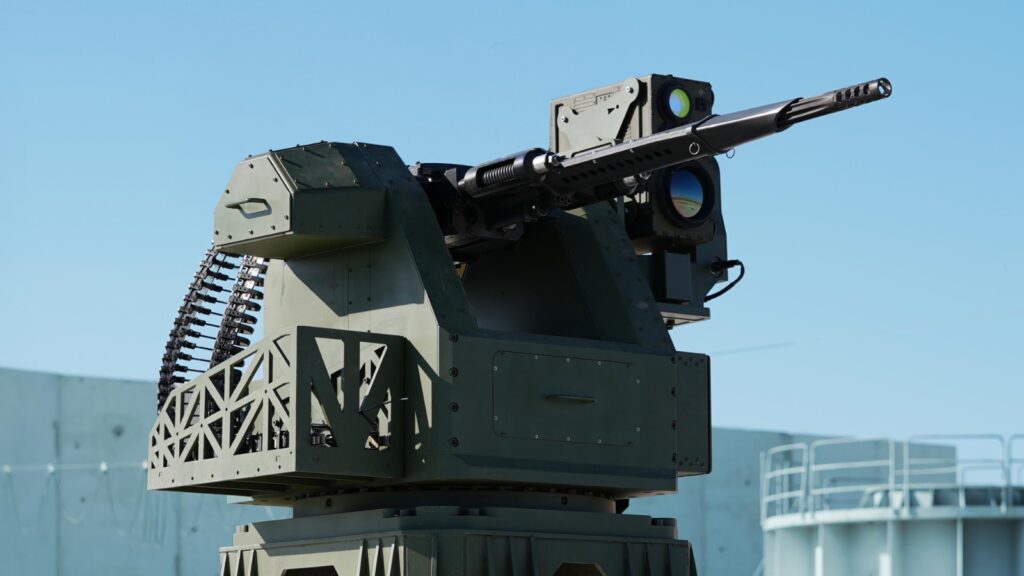
20 mm automatic cannon,
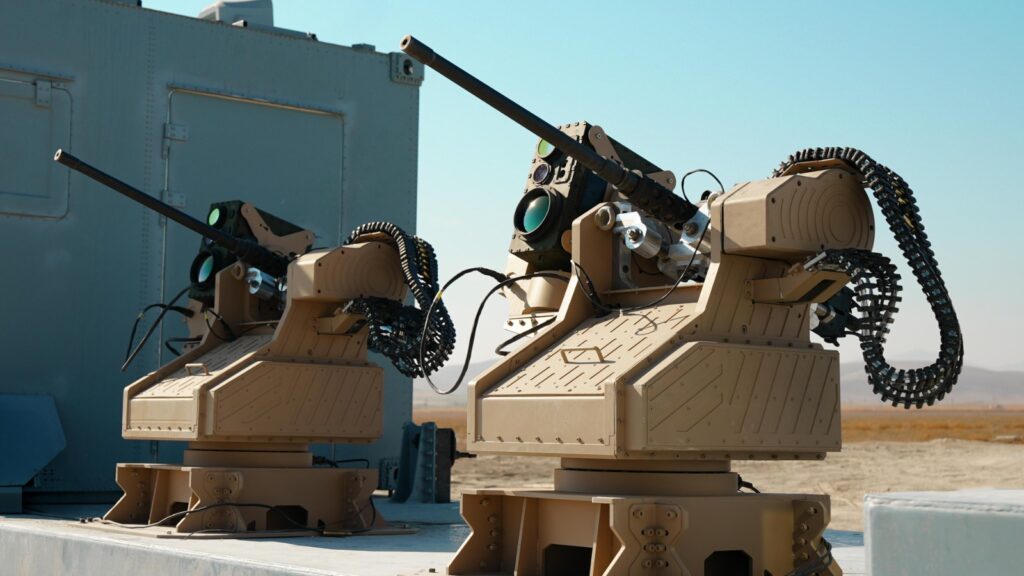
Dual 12.7 mm machine guns,
all mounted on the TOLGA platform. These systems successfully intercepted fixed-wing UAVs, rotary-wing drones, and high-speed FPV platforms using MKE’s specially developed programmable anti-drone ammunition.
This ammunition releases a dense metal-particle cloud at the optimal distance from the target, ensuring high lethality with minimal rounds fired. Engagement ranges include:
35 mm ammunition: Effective up to 3,000 meters
20 mm ammunition: Effective up to 1,000 meters
12.7 mm ammunition: Effective up to 300 meters
Moving Toward Serial Production
Speaking after the successful trials, MKE General Manager İlhami Keleş emphasized that completing all scenarios with precise engagements and minimal ammunition consumption marks a major technological achievement.
Keleş confirmed that the infrastructure for serial production has already been established, allowing MKE to meet Türkiye’s domestic operational needs while also preparing for potential export opportunities.
He highlighted that the TOLGA system forms the critical low-altitude layer of Türkiye’s newly announced “Steel Dome” defence architecture, providing protection up to 3 kilometers against drone and low-flying threats. MKE will also conduct further demonstrations abroad to promote the system to friendly and allied nations.
Modular, Versatile, Fully Indigenous
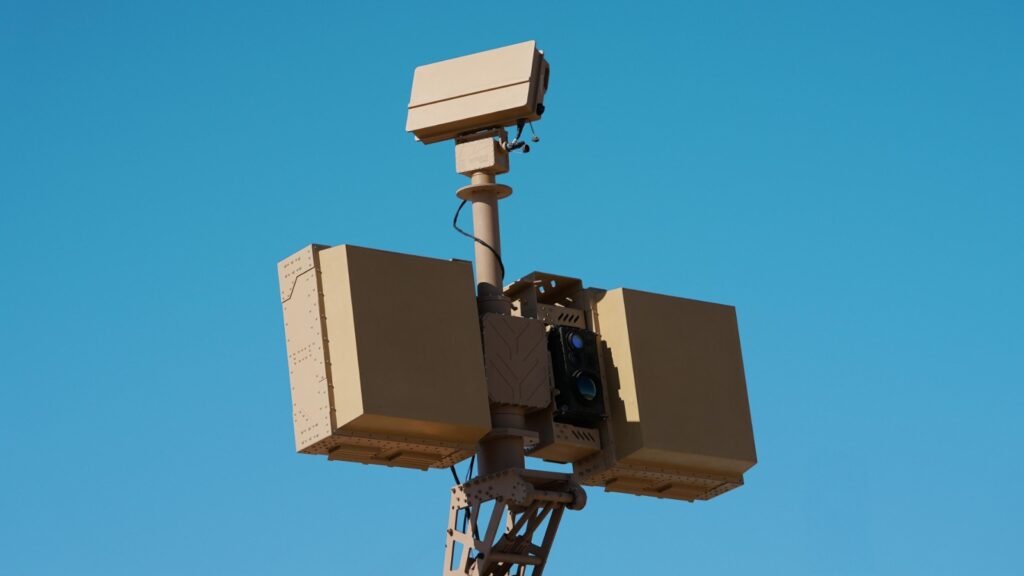
Designed to offer full operational independence, the TOLGA system incorporates several advanced technologies—radar, electro-optical sensors, and electronic warfare elements—all developed in Türkiye.
Key capabilities include:
Detection of drones up to 10 km
Soft-kill neutralization via communication and control-link jamming
Hard-kill engagement with programmable ammunition
Integration on fixed sites, mobile platforms, armored/unarmored vehicles, and naval vessels
At the heart of the platform is the TOLGA Command and Control Unit, which manages detection, tracking, identification, engagement decisions, and fire-control operations. The system can be operated manually, semi-autonomously, or fully autonomously.
A Comprehensive Response to Modern Drone Warfare
With drone threats expanding globally—from FPV kamikaze drones to small, low-cost reconnaissance platforms—the TOLGA system offers a complete, layered defence package consisting of:
Radar
Command & Control Center
Electronic Warfare/Jammer (Soft Kill)
35 mm / 20 mm / dual 12.7 mm weapon systems (Hard Kill)
Indigenous anti-drone programmable ammunition
By combining these capabilities in a modular architecture, MKE positions TOLGA as one of the most adaptable short-range air defence systems in its class—providing an effective shield for critical facilities, military bases, mobile convoys, and naval units.
