

At the IDEF 2025 defense exhibition in Istanbul, Belgian Minister of Defense and Foreign Trade, Theo Francken (N-VA), expressed Belgium’s commitment to deepening its defense ties with Türkiye. In remarks to several media outlets, Francken emphasized Türkiye’s strategic importance within NATO and described it as a “reliable and indispensable partner” amid global instability and evolving defense technologies.
He called for increased joint NATO exercises and industrial collaboration, advocating the signing of a memorandum of understanding with Turkish Minister of Defense Yaşar Güler in the coming months. Belgium also intends to host a Turkish defense industry attaché later this year, signaling a more structured and forward-looking partnership.
While the rapprochement has political dimensions, its foundation lies in Türkiye’s rapid transformation into a major defense producer. Over the past two decades, Türkiye has shifted from being a largely import-dependent client to becoming a competitive defense exporter. This evolution is the result of a long-term strategy initiated in the 1980s through research and development institutions, gaining significant momentum in the 2010s in response to Western arms embargoes and restrictions.
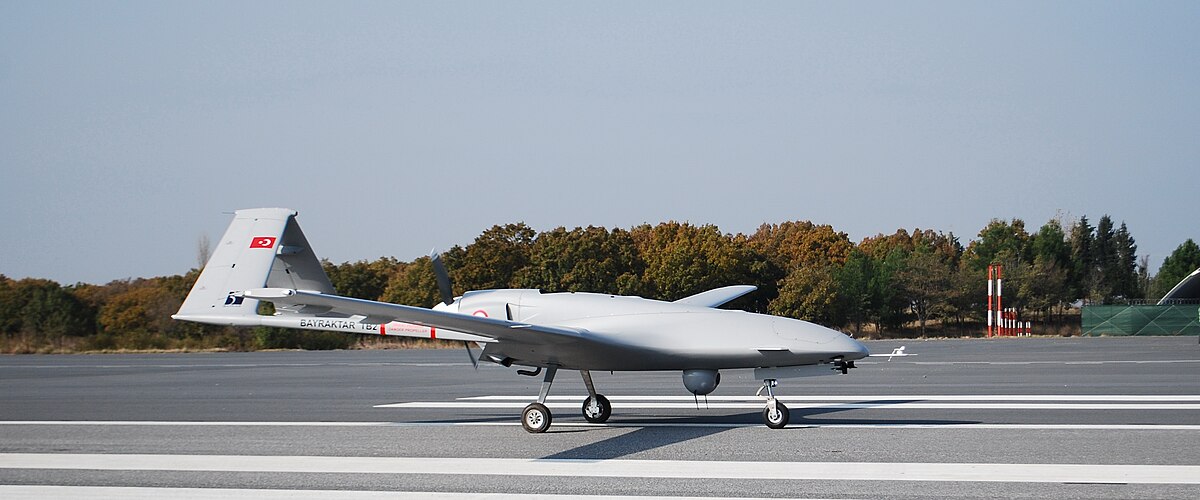
Türkiye’s defense industry now includes over 3,000 companies across land, sea, air, and space domains, producing systems for both domestic and international use. Key platforms include the Bayraktar TB2 — exported to over 30 countries — the advanced Akıncı UCAV, and the stealthy Kızılelma drone, currently under development. In manned aviation, the KAAN fifth-generation fighter program showcases Ankara’s aerospace ambitions, while the Hürjet trainer jet has attracted Spanish interest through a cooperation with Airbus. Türkiye is also advancing in missile and air defense technologies (e.g., Atmaca, Tayfun, Sungur, Siper) and armored systems such as the Altay MBT, Kirpi MRAP, and next-gen IFVs like Kaplan and Pars.
These platforms are designed to meet NATO standards, offering both performance credibility and significantly lower procurement costs. With Western systems becoming increasingly expensive, Türkiye presents a compelling option for European nations seeking cost-effective yet interoperable solutions.
IDEF 2025 further reflected this momentum. Türkiye announced major contracts, including the sale of 48 KAAN fighter jets to Indonesia and a memorandum with the UK for 40 Eurofighter Typhoons. Baykar, Türkiye’s leading drone manufacturer, expanded its presence in Asia through a partnership with Korean Air, while Roketsan unveiled the Tayfun Block-4 hypersonic missile. Strategic cooperation agreements with Malaysia, Spain, and Italy also illustrated Türkiye’s growing integration into the European defense supply chain.
With defense exports reaching a record $7.15 billion in 2024 and projected to surpass $8 billion in 2025, Türkiye’s defense industry is clearly transitioning from a regional player to a global one. For Türkiye, IDEF has become not just a trade fair, but a strategic platform for influence and integration. For Belgium and other European countries, the exhibition confirmed that Türkiye is now a defense actor to be engaged with — not just diplomatically, but industrially and operationally.
