

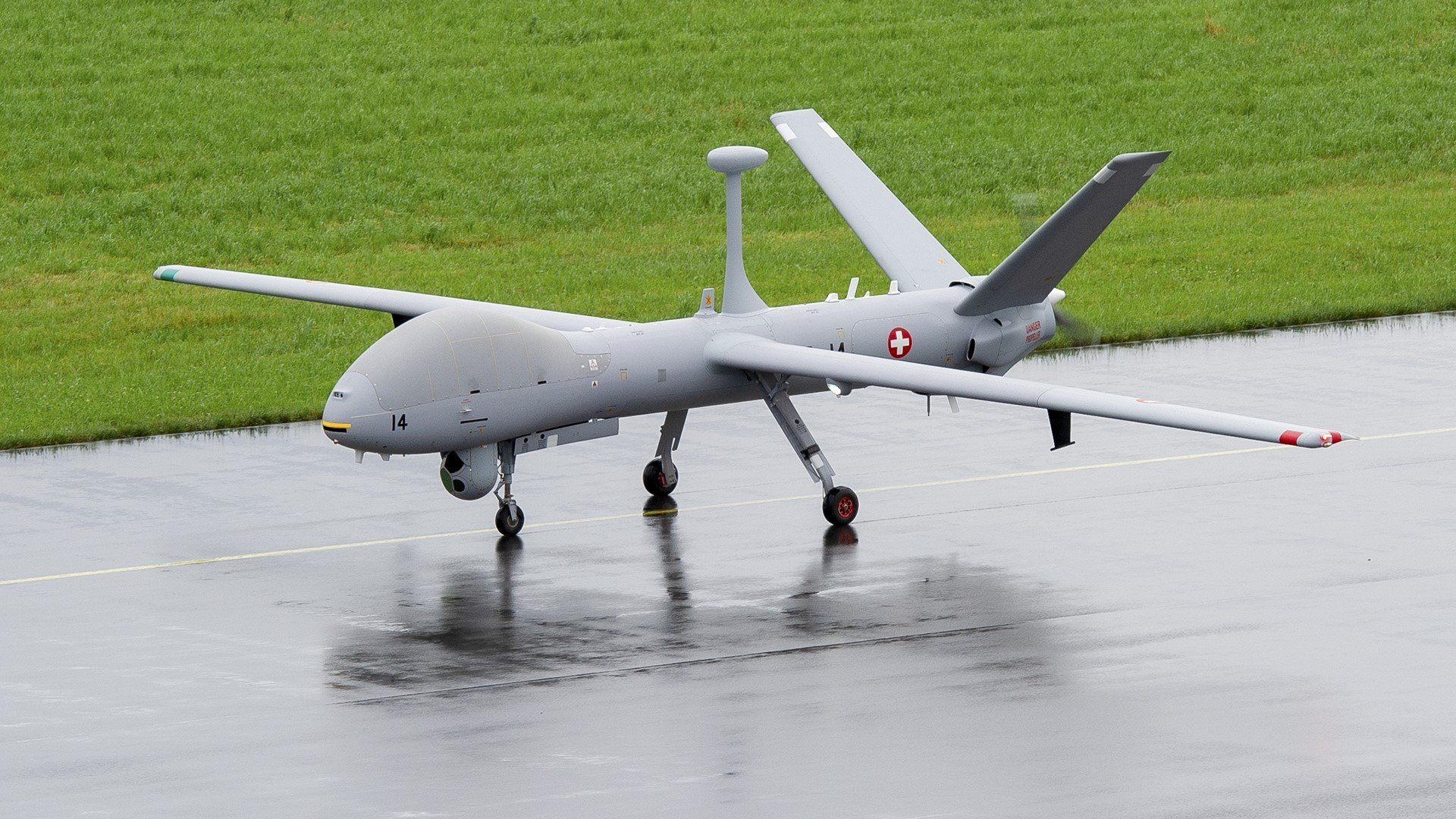
The Indian Navy is implementing a sweeping transformation in naval air warfare via its IN-CATS (Indian Navy Combat Air Teaming System) and Naval UCAV (N-UCAV) programs. These efforts emphasize homegrown defense innovation and pioneering manned-unmanned teaming (MUM‑T) technologies.
Revolutionizing Air Combat with MUM‑T
IN‑CATS fuses piloted fighter aircraft with AI-enabled unmanned drones. HAL Tejas, in its twin-seat variant, serves as the mothership that remotely commands multiple N‑UCAVs, enabling extended surveillance and precision deep‑strike missions with reduced pilot risk. The program integrates AI combat algorithms from the ACID project for autonomous targeting and engagement.
IN‑CATS Warrior: India’s Stealth Loyal Wingman Drone
Crafted by HAL’s ARDC and NewSpace Research, the IN‑CATS Warrior is a stealth UCAV designed to escort fighters like Tejas, Su‑30MKI, and Jaguar. With a max takeoff weight of 2.1 tons, capable of speeds up to 790 km/h at 40,000 ft, it can perform reusable 350 km missions or one-way suicide strikes out to 700 km. Armament includes internal SAAW precision bombs and external air‑to‑air missiles. Following successful engine runs in January 2025, testing is set to move aboard a modified Kiran MK‑2 for data‑link trials ahead of its maiden flight in 2026.
Carrier-Based Wingman: N‑CCAV and the Abhimanyu Drone
The N‑CCAV program introduces the Abhimanyu, a naval UCAV tailored for carrier operations alongside MiG‑29K and Rafale‑M jets. Optimized for naval deployment, it offers ~300‑knot cruise speed, 1,000 km range, 20 h endurance, and modular support for ISR, electronic warfare, and swarm tactics. Abhimanyu drones will operate in MUM‑T mode with manned fighters post-development, with committed procurement planned.
IN‑CATS Hunter & Swarming Innovations
The Hunter, an air-launched cruise missile weighing 600 kg and powered by a PTAE‑7 engine, delivers precise strikes up to 300 km and can be recovered via a two-stage parachute. Simultaneously, the ALFA subsystem deploys swarms of 25 kg loitering munitions (ALFA‑S), carrying 5–8 kg warheads over 100 km. A Su‑30MKI can release 30–40 drones in coordinated attacks using AI-driven swarm autonomy.
Infinity Pseudo-Satellite
The IN‑CATS Infinity is a solar-powered high-altitude pseudo-satellite able to stay aloft at ~70,000 ft for up to 90 days. Equipped with synthetic aperture radar and advanced sensors, it acts as a surveillance and coordination hub linking all IN‑CATS assets.
Naval MUM‑T Trials with TEJAS‑Naval Trainer & Ghatak Variant
Starting in 2026, the twin-seat TEJAS‑Naval Trainer will validate naval MUM‑T use cases, including real‑time drone coordination during carrier operations on INS Vikrant and future carriers. Separately, a naval variant of the 13‑ton stealth Ghatak N‑UCAV—powered by the indigenous Dry Kaveri engine and armed with anti-ship missiles and torpedoes—is under assessment for coastal ISR and maritime strike missions.
Strategic & Technical Significance
These initiatives mark India’s leap into elite air combat architectures combining manned and unmanned platforms. They strengthen sovereign capabilities under the Atmanirbhar Bharat directive and broaden maritime domain awareness while mitigating risks in contested environments. Key technical hurdles remain—secure data links, EW resistance, and integration with legacy combat systems need robust solutions. Nonetheless, these developments signal India’s arrival among global leaders in autonomous aerial warfare innovation.
