

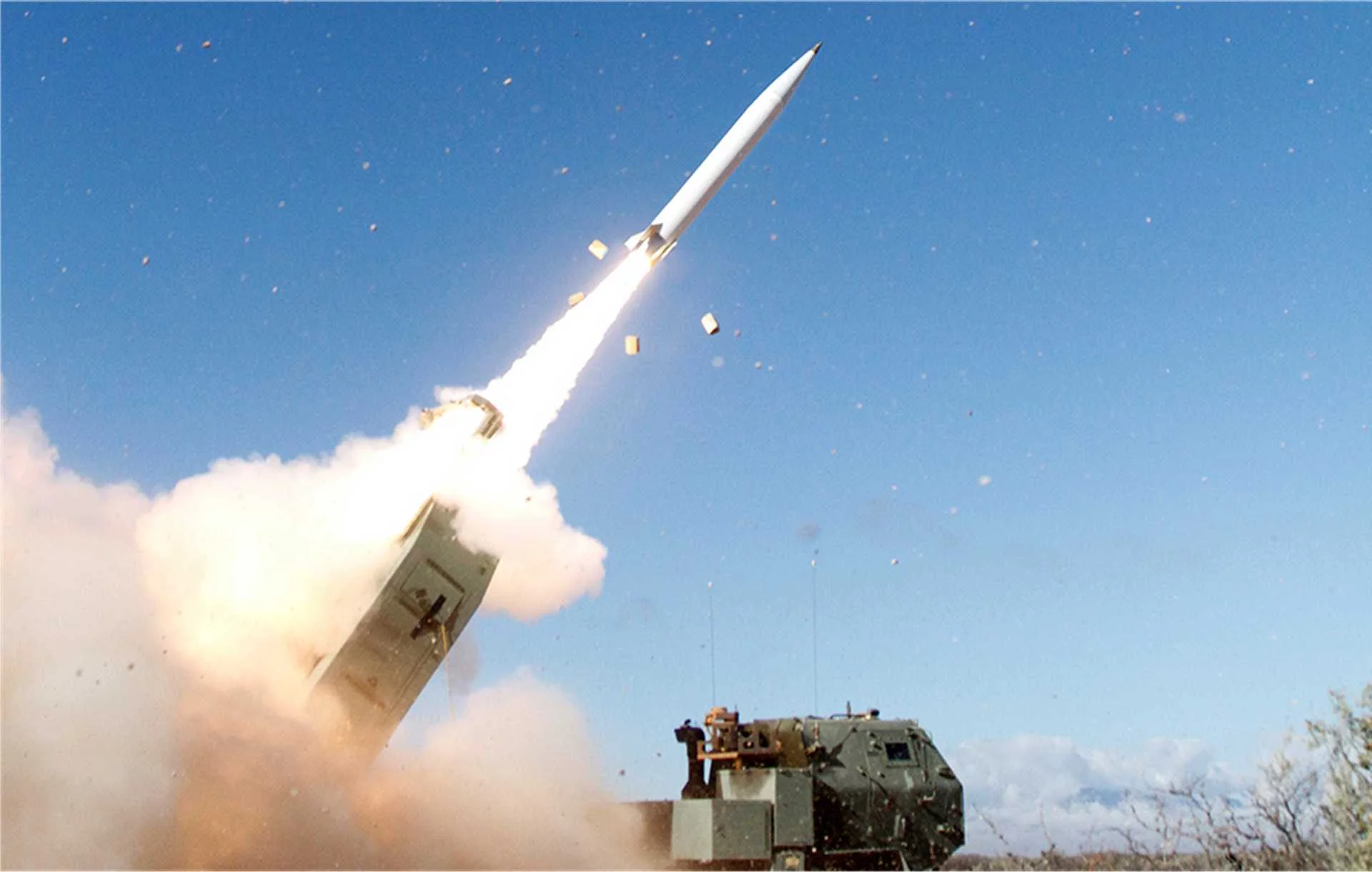
Following U.S. Army approval to enter full-rate production, Lockheed Martin is moving quickly to ramp up manufacturing of the Precision Strike Missile (PrSM). The company expects to reach production rates of up to 400 missiles annually to rapidly expand long-range strike capability for HIMARS and M270 MLRS units.
North Bethesda, Maryland — After the Army’s Milestone C decision, Lockheed Martin has begun scaling its industrial footprint for PrSM, expanding integration lines at its Camden, Arkansas plant and accelerating deliveries of long-lead components from suppliers. The production tempo is intended to meet rising U.S. demand and interest from allied customers, including Australia and several NATO partners.
PrSM represents a noteworthy upgrade over the legacy ATACMS: a slimmer, modular design that allows two missiles per pod, extended ranges beyond 500 kilometers, and guidance that combines GPS with inertial navigation. Compatibility with existing M142 HIMARS and M270A2 launchers means units can significantly increase strike capacity without new platforms or major retraining—effectively doubling deep-strike loadout for the same launchers.
In contested, high-threat environments where mobility and survivability matter, PrSM-equipped batteries can reach key infrastructure, disrupt command-and-control, and suppress air defenses from standoff positions. When paired with satellite targeting and persistent ISR, these systems enable tactical units to deliver strategic effects.
Reaching an annual output of 400 precision-guided missiles presents industrial challenges: scaling volume while maintaining performance requires rigorous supply-chain coordination, increased quality assurance, and tighter testing and traceability from the Army. Lockheed Martin has introduced dual QA cells, enhanced factory analytics, and taken steps toward vertical integration and supplier diversification to reduce production risks.
PrSM is central to the Army’s Long-Range Precision Fires modernization effort and is already moving into operational use with Early Operational Capability rounds in the field. Beyond U.S. requirements, Foreign Military Sales are expected to expand the missile’s footprint—strengthening allied interoperability and stabilizing industrial demand over time.
Milestone C and the transition to full-rate production mark a strategic shift: rocket artillery is evolving from a supporting role into a principal means of long-range strike for U.S. and allied forces. For Lockheed Martin it’s an industrial milestone; for ground forces, it’s a significant enhancement of long-range precision fires.
