

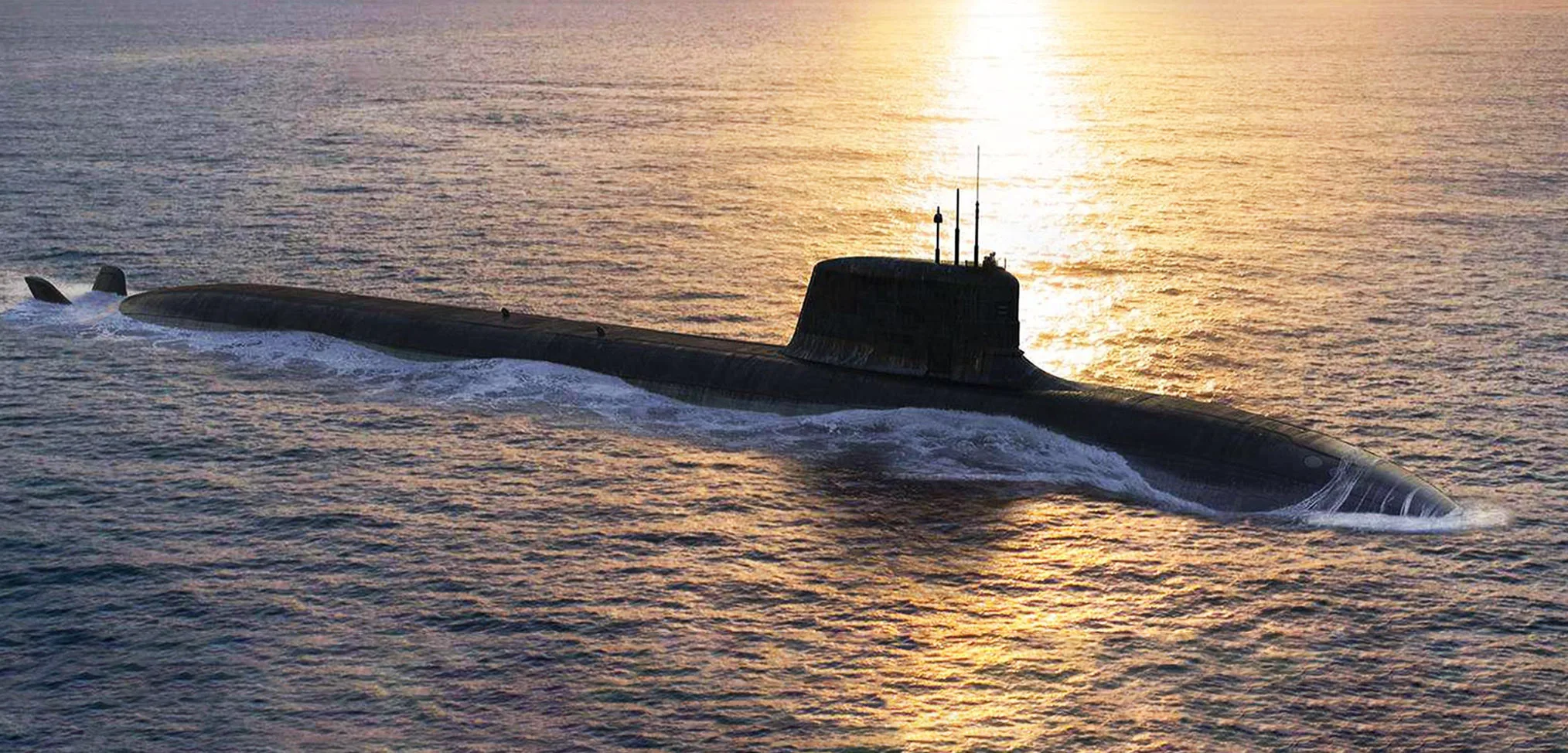
The U.S. Navy’s Virginia-class attack submarine USS Vermont (SSN-792) has completed a multi-week maintenance period at HMAS Stirling in Western Australia. Directed by Pearl Harbor Naval Shipyard under the AUKUS framework, the evolution serves as a significant proof of concept for future Submarine Rotational Force West operations and Australia’s ambition to sustain nuclear-powered submarines domestically.
Multinational Teams
Australian defense authorities and the U.S. Navy confirmed that Vermont arrived on October 29 and underwent a more complex maintenance package than last year’s trial event. U.S. maintainers, British experts, and a growing cadre of Australian technicians collaborated to stress-test nuclear stewardship, safety protocols, and industrial workflows aligned with AUKUS requirements.
Block IV Context
USS Vermont is the lead unit of the Block IV batch. Delivered and commissioned in April 2020, the submarine shifted its homeport to Pearl Harbor in July 2023, integrating into U.S. Pacific Fleet operations. Following a seven-month deployment to the Western Pacific earlier in 2025, the submarine had current operational data to support the maintenance procedures implemented in Australia.
Technical Features
Key attributes of the Virginia class include:
- Length: ~115 m
- Beam: ~10 m
- Submerged displacement: ~7,900 tons
- Propulsion: S9G reactor + pump-jet
- 33-year core life with no refueling
The submarine routinely exceeds 25 knots submerged and emphasizes acoustic stealth for prolonged patrols in contested environments.
Weapons and Sensors
As a Block IV unit, Vermont equips:
- 2× Virginia Payload Tubes (12 Tomahawk missiles)
- 4× 533 mm torpedo tubes (Mk 48 torpedoes)
- Optional encapsulated anti-ship weapons
- AN/BYG-1 combat system
- Bow, flank, and towed sonar arrays
- Non-penetrating optronic mast
Tomahawk Block IV/V missiles, with ranges exceeding 1,000 miles, enable deep-land strike capability from covert offshore positions.
Maintenance Philosophy
Block IV design changes reduce major overhauls from four to three, enabling more deployments across a 33-year lifespan. This model requires partner bases—such as HMAS Stirling—to handle a larger portion of intermediate inspections and corrective maintenance. Integrating Australian engineers and divers is therefore pivotal for future AUKUS submarine operations.
Training and Integration
Personnel from Pearl Harbor Naval Shipyard, Pacific Fleet submarine maintenance units, the Australian Submarine Agency, Fleet Support Unit, and local industry worked jointly on Vermont. Thirteen Australian sailors embedded with the crew used the maintenance period to practice defect management, nuclear safety routines, and certification tasks.
AUKUS Strategic Impact
Within AUKUS Pillar 1, the U.S. and U.K. plan to rotate nuclear-powered submarines through Western Australia from 2027, followed by transferring at least three Virginia-class boats to Australia in the 2030s. Successful U.S. maintenance periods in Australia demonstrate Canberra’s readiness to handle nuclear infrastructure and reinforce a sustainable undersea presence in the eastern Indian Ocean and South China Sea approaches.
