

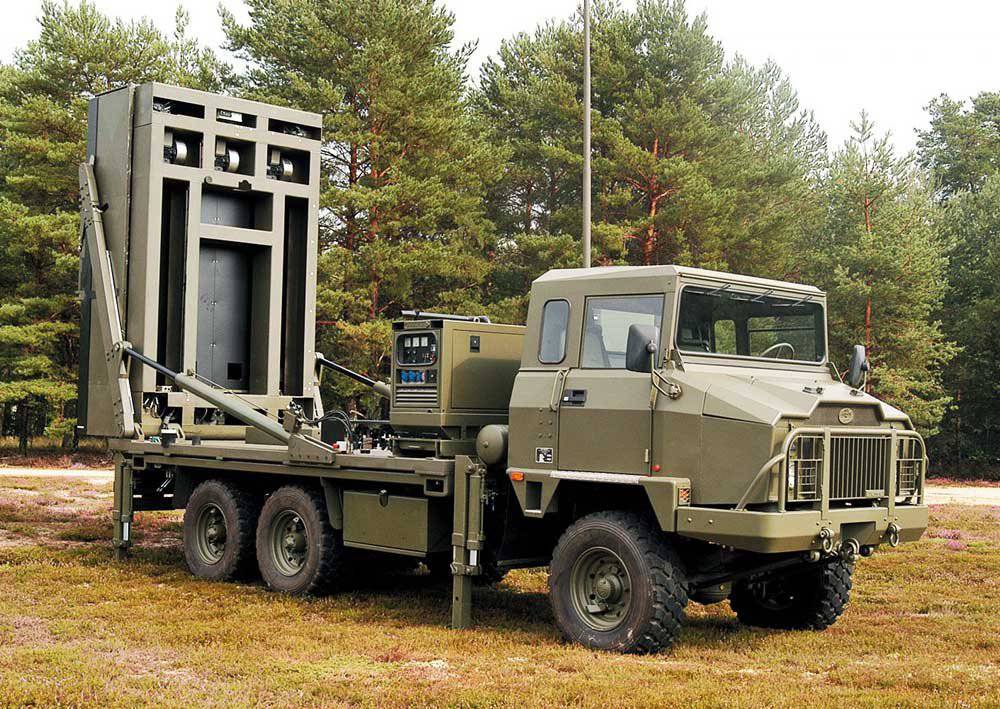
Following a surge in border hostilities, the Royal Thai Army is reportedly poised to deploy its French-made VL MICA short-range air defense missile system for potential battlefield use—marking a historic first for the system in live combat conditions. The development comes after intense clashes erupted on July 24 around the disputed areas of Ta Muen Thom and Preah Vihear, with artillery shelling, rocket fire, and drone activity intensifying across the frontier.
As tensions grow, Thai military forces are relocating VL MICA launch units and radar systems closer to the border in a bid to strengthen air defenses against continued Cambodian rocket attacks and UAV incursions. The move signals a strategic shift towards reinforcing frontline troops with layered air defense capabilities aimed at intercepting low-flying aerial threats such as tactical drones, cruise missiles, and attack aircraft.
The VL MICA, developed by European missile manufacturer MBDA, is designed for point and area defense, utilizing dual seeker technology with infrared (IR) and radio frequency (RF) guidance. With a maximum range of 20 km and vertical launch capability for 360-degree coverage, it offers rapid-reaction capability and high maneuverability—ideal for dynamic combat environments and mobile operations.
Thailand became Southeast Asia’s first export customer for the VL MICA system after signing a deal with MBDA in 2017. The procurement aimed to phase out older systems like the Spada 2000 and modernize Thailand’s air defense forces through enhanced integration with European technology. Deliveries commenced in 2019, featuring mobile launchers, command units, and multifunction radar modules mounted on indigenous military trucks. The acquisition was part of a broader strategy to protect vital infrastructure, military assets, and population centers from airborne threats.
Originally designed as an air-to-air missile, the VL MICA has been adapted for surface-based operations, providing protection against a wide spectrum of aerial threats including manned aircraft, helicopters, UAVs, cruise missiles, and precision-guided weapons. It can engage targets from as low as 20 meters up to altitudes of 9,000 meters, using containerized launch tubes to ensure rapid deployment and autonomous fire control in high-pressure scenarios.
The current mobilization near the Cambodian border may mark the VL MICA system’s first active deployment in a real conflict zone. While no intercepts or missile launches have been publicly confirmed, the system’s fielding amid escalating violence could soon validate its operational effectiveness. If fired in combat, it would enter the exclusive category of “combat-proven” systems—an important distinction for MBDA’s global sales prospects.
Thailand’s integration of the VL MICA aligns with its broader effort to overhaul its air defense doctrine by introducing fast-reacting, mobile, and technologically advanced systems. The present crisis highlights Bangkok’s willingness to activate and rely on modern Western weaponry when national security is directly challenged.
As the border conflict with Cambodia unfolds, military observers are watching closely. Any confirmed use of the VL MICA system would not only be a milestone for the Royal Thai Army, but could also elevate the system’s international profile—potentially accelerating interest from other nations in Southeast Asia and beyond seeking proven, high-performance short-range air defense solutions.
