

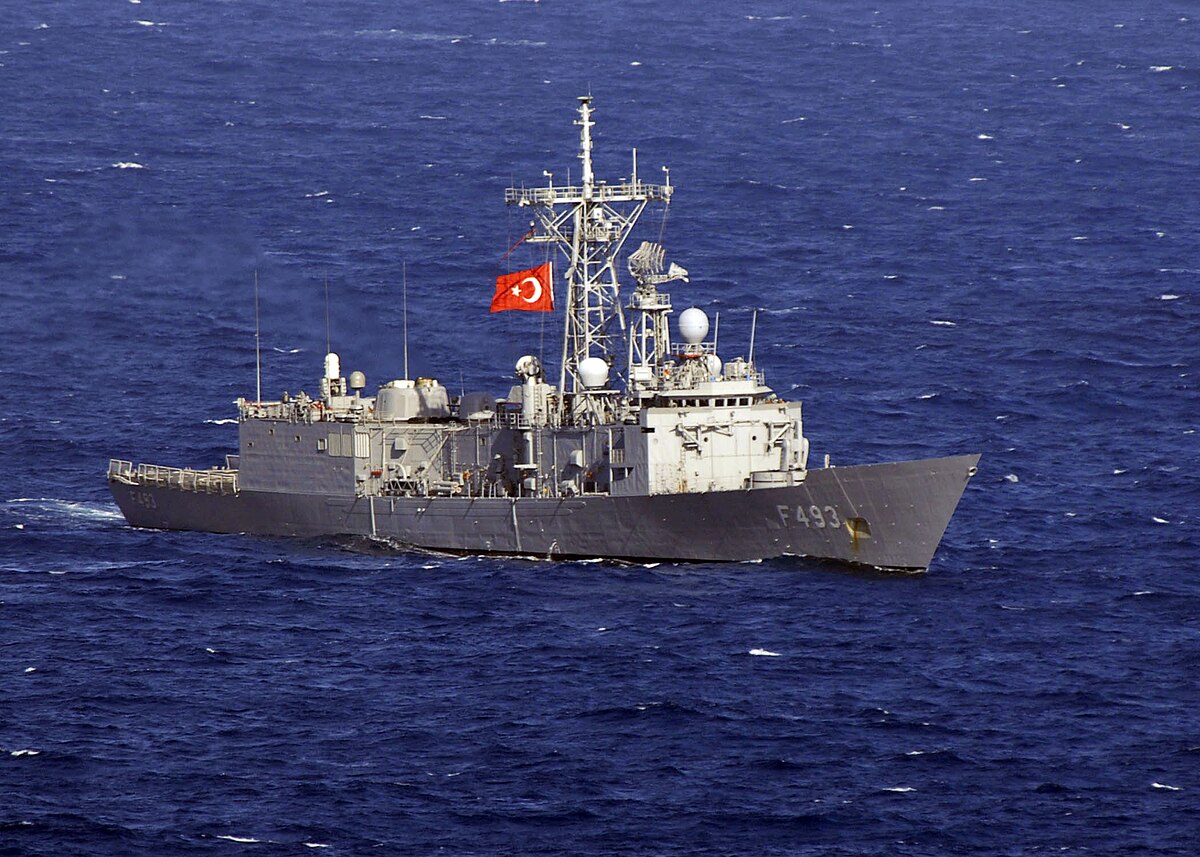
Turkey’s largest and most advanced warship, TCG Gelibolu, is set to join NATO’s Standing Naval Maritime Group Two (SNMG2) — a move that highlights not only the growing deterrence capability of the Turkish Navy but also the country’s deepening commitment to collective maritime security within the Alliance. Amid shifting security dynamics in the Mediterranean, Turkey aims to strengthen NATO’s naval posture with this cutting-edge “floating fortress.”
The Gabya-class frigate, weighing in at 4,100 tons, measures 138 meters in length and 14 meters in width. Powered by two General Electric LM2500 gas turbines generating 41,000 horsepower, the ship can reach speeds of nearly 30 knots. It is equipped to carry two Seahawk helicopters, significantly boosting its anti-submarine and surface warfare capacity. With an extended range of over 5,400 nautical miles, TCG Gelibolu can carry out transatlantic missions without refueling — classifying it as a true “blue-water” vessel.
Commissioned in the early 2000s, TCG Gelibolu has undergone a series of upgrades over the years, most notably the integration of the indigenously developed GENESIS combat management system. This Turkish-made system synchronizes advanced sensors, the Phalanx close-in weapon system (CIWS), electronic warfare components, and NATO-standard data links like Link-11 and Link-16, enabling full interoperability in multinational operations. With a proven track record in past missions, including Operation Mediterranean Shield and NATO surveillance duties, the ship stands as a capable and experienced asset.
One of TCG Gelibolu’s greatest strengths is its multi-role combat capability. The frigate can conduct air defense, anti-submarine, and surface warfare simultaneously — while sustaining extended missions without the need for resupply. This operational autonomy, combined with upgraded offensive and defensive systems, positions the vessel as a force multiplier in contested waters. Its ability to project Turkish naval power deep into NATO territory further bolsters the Alliance’s deterrence framework.
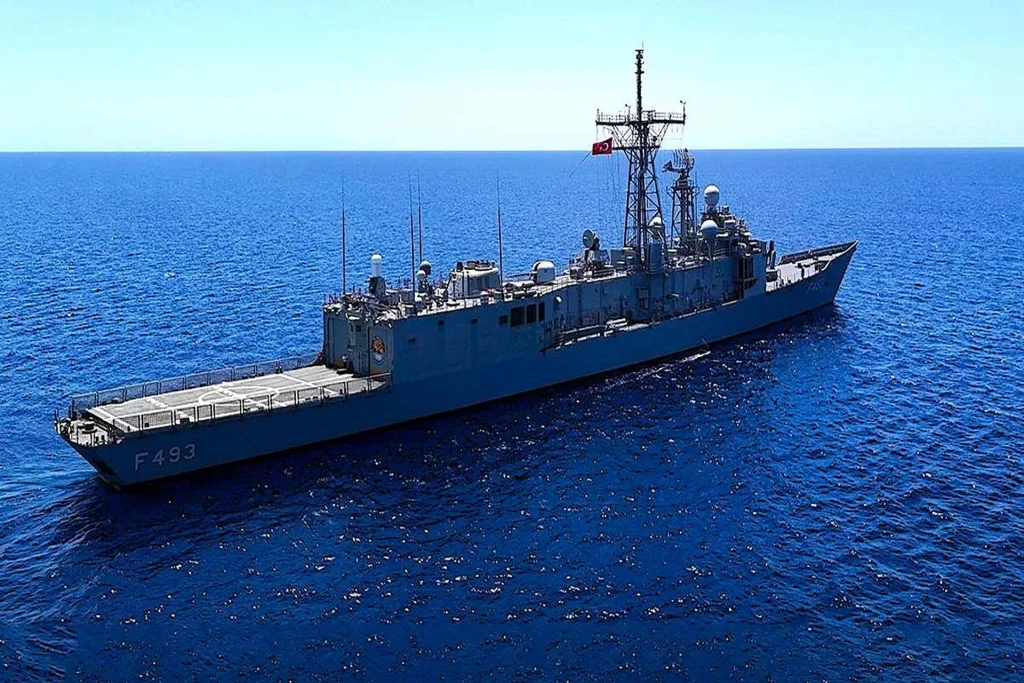
SNMG2 is one of NATO’s four permanent maritime task forces and includes destroyers, frigates, and auxiliary ships from various allied navies. This high-readiness force maintains a constant presence in critical waterways such as the Mediterranean and Black Sea, conducting rapid-response missions, maritime security operations, counterterrorism patrols, and ensuring freedom of navigation. With TCG Gelibolu joining the formation, Turkey’s most advanced warship will play a direct role in strengthening NATO’s seaborne defense and deterrence.
Strategically, this deployment carries weight far beyond tonnage and capabilities. As geopolitical rivalries intensify in the Mediterranean and adjacent seas, Turkey’s decision to assign its flagship warship to NATO service signals its willingness to take an active role in collective defense. The move not only increases allied situational awareness and crisis-response capacity but also reaffirms Turkey’s commitment to its “Blue Homeland” maritime doctrine while reinforcing alliance cohesion.
Ultimately, TCG Gelibolu’s integration into SNMG2 exemplifies how Turkey’s naval modernization and investment in indigenous systems are translating into tangible contributions to global security. As the pride of the Turkish Naval Command joins NATO’s frontline fleet, it stands as a symbol of Ankara’s resolve to defend regional waters — and its central role in shaping NATO’s maritime defense architecture.
