

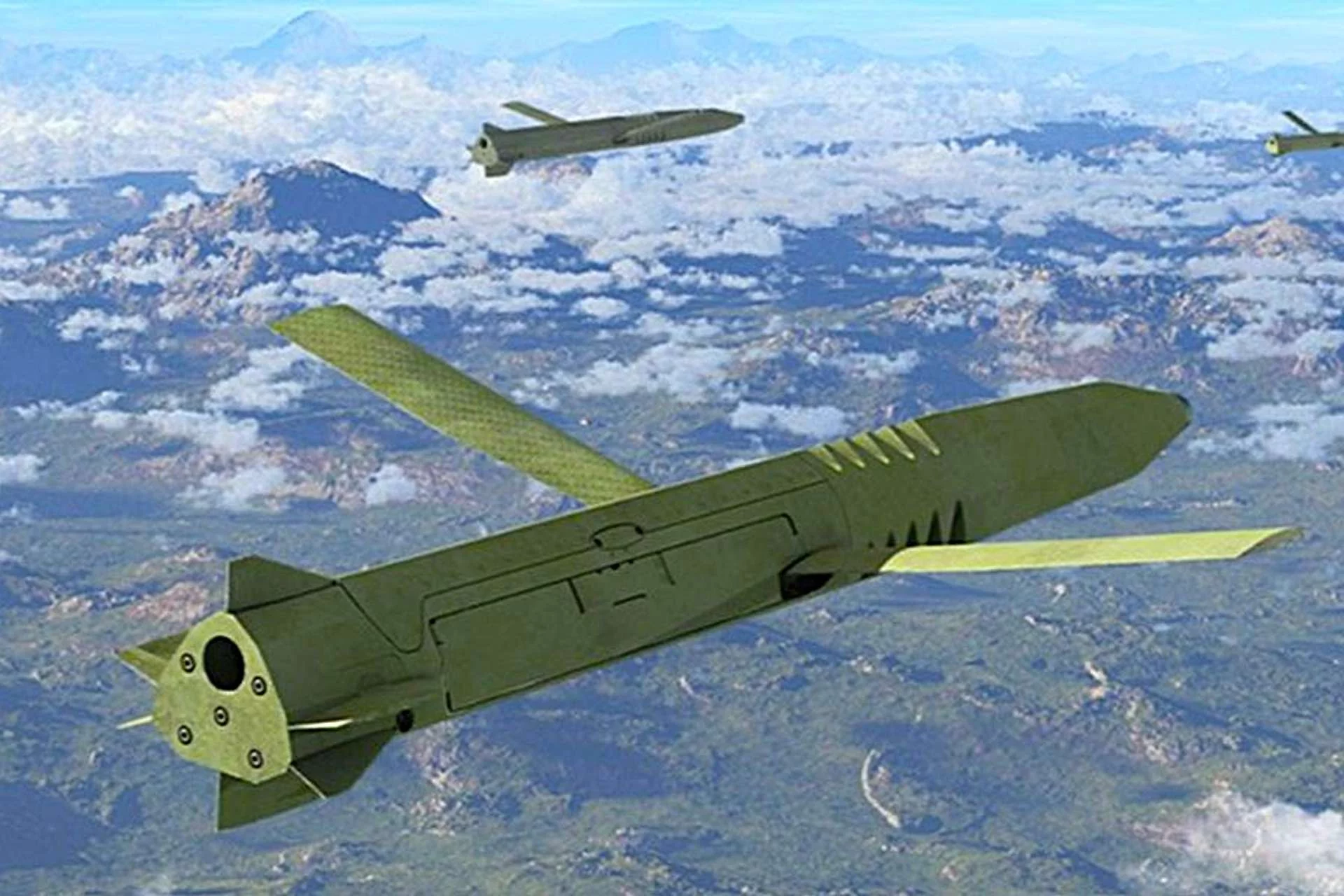
General Atomics Electromagnetic Systems reported that on Oct. 13 at Yuma Proving Ground it validated flight-critical functions of its Long Range Maneuvering Projectile (LRMP) fired from an M777 howitzer. Tests showed expected sequences — sabot separation, de-spin stabilization, wing deployment and controlled descent — aligning with predictive models.
Technical Innovation
The winged, guided projectile moves 155 mm artillery away from purely ballistic trajectories to a glide profile, extending reach and expanding engagement options. Onboard navigation and an optical seeker allow mid-course updates and terminal corrections, enabling operations even when GPS is degraded or denied.
Performance And Compatibility
LRMP is designed to deliver roughly two to three times the reach of conventional rounds. Higher-energy launch platforms, such as self-propelled NATO-standard 155 mm systems, should further increase standoff. By relying on aerodynamic lift rather than a propulsive second stage, the design preserves internal volume for payload relative to many rocket-assisted concepts.
Operational Effects
Glide-capable, seeker-guided 155 mm rounds give forces a precision standoff capability against mobile targets, counter-battery systems and air-defense nodes using organic artillery rather than costly missiles. That changes engagement options for units operating in GPS-contested or layered defense environments.
Strategic Implications
Converting widely fielded howitzers into precision long-reach launchers could compress timelines for deep fires in Europe and enable denser, lower-signature interdiction options in the Indo-Pacific. If follow-on trials confirm range and cost goals, LRMP would expand commanders’ magazine depth for deep effects and force adversaries to reassess where they position high-value assets.
