

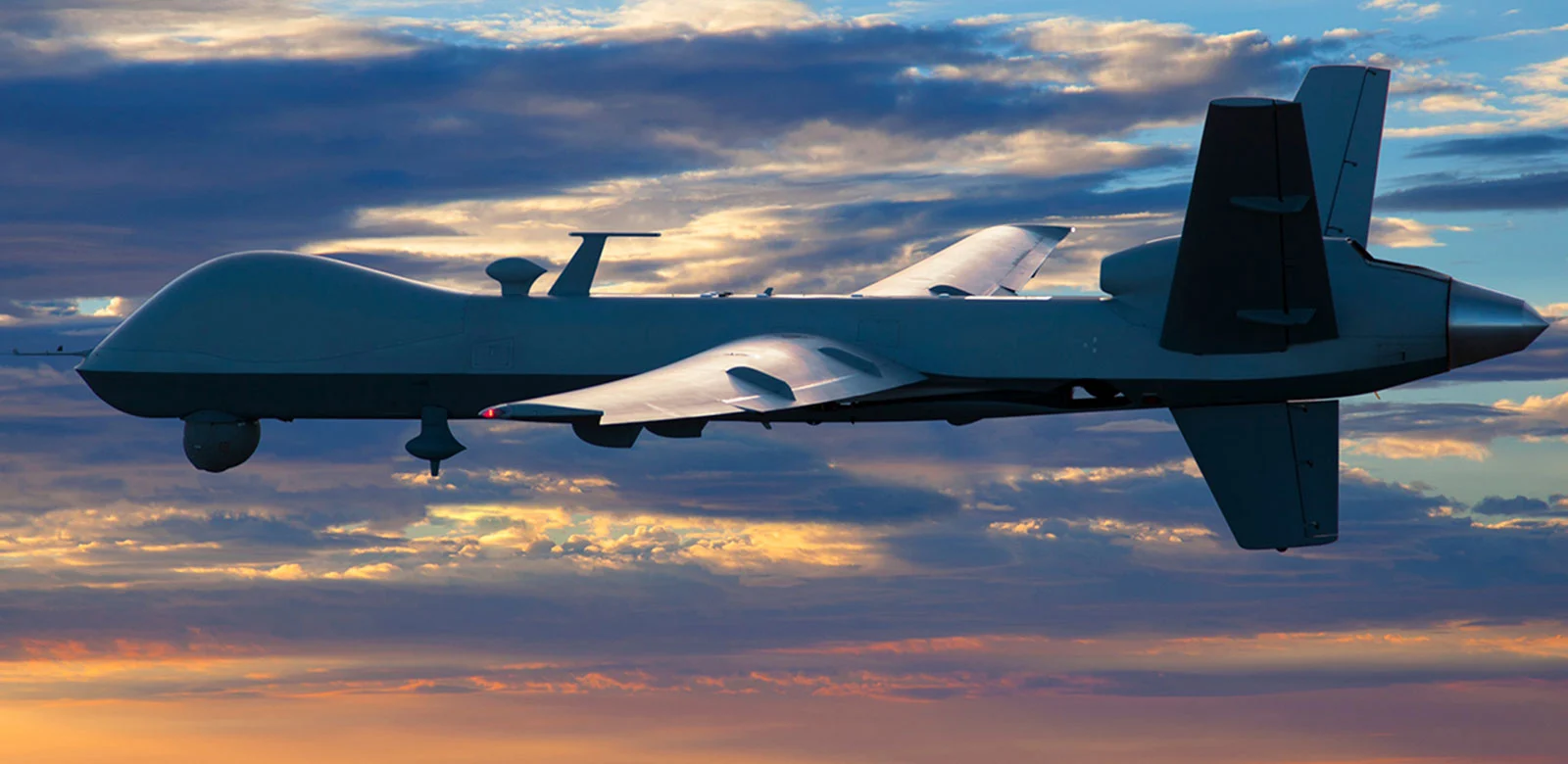
The U.S. Marine Corps has enhanced regional maritime awareness by deploying MQ-9A Reaper drones from VMU-1 to operate out of Basa Air Base in the Philippines. Requested by Manila, the unarmed drones now conduct persistent ISR flights over the South China Sea, documenting Chinese coercive activities and improving early warning for Philippine forces.
Unarmed, Persistent ISR at Manila’s Request
While U.S. officials describe the mission as temporary, the deployment aligns with long-standing U.S. support to the Armed Forces of the Philippines. Reaper aircraft have been instrumental in monitoring aggressive maneuvers by Chinese coast guard and maritime militia units, including blockades, water cannon incidents, and collision attempts around contested shoals.
Long-Endurance Platform with Advanced Sensors
Technical specifications make the MQ-9A a cornerstone of U.S. ISR operations:
- 27+ hours endurance
- Up to 50,000 feet altitude
- Speeds reaching 240 knots
- 3,850-pound payload capacity
With EO/IR systems, the Lynx multimode radar, surface search capabilities, and AIS integration, the Reaper provides detailed imagery and radar tracks across vast maritime zones. Data is transmitted via LOS and satellite links, enabling real-time information flow to U.S. and Philippine command centers.
Strengthening the Philippines’ Maritime Picture
Reapers significantly enhance the Philippines’ ability to build a Recognized Maritime Picture (RMP) and Common Operational Picture (COP), compensating for gaps in national sensor coverage. A single drone can monitor a sector for an entire day, track vessel positions and patterns, and produce evidence valuable for both diplomacy and operational planning.
A Force Multiplier for a Growing Alliance
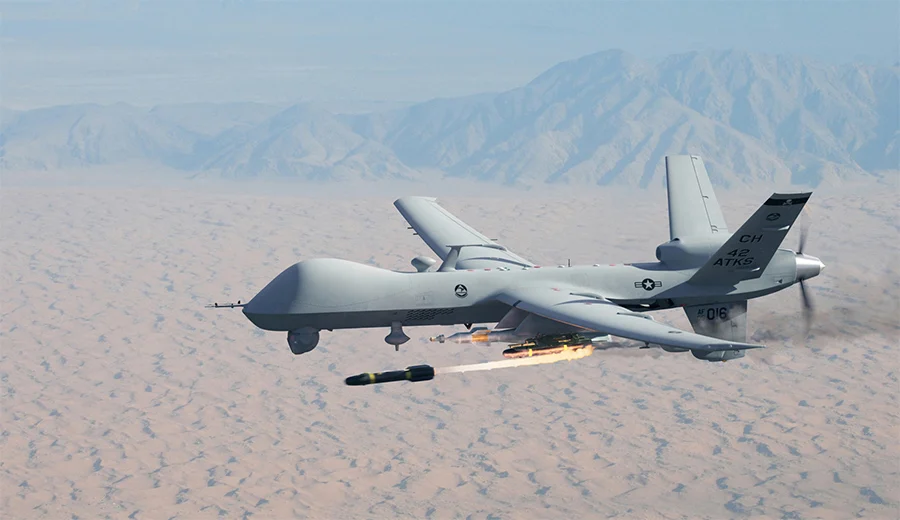
The deployment coincides with the creation of Task Force Philippines, a new U.S.-Philippine structure designed to improve coordination and readiness in the South China Sea. Through their long-range sensors and EMCON-capable operations, Reapers serve as intelligence and communication nodes linking naval, air, and joint headquarters.
Strategic Message to Beijing
Washington’s open acknowledgment of Reaper operations adds clarity to U.S.–Philippine cooperation in the maritime domain. For China, it narrows the ambiguity around grey-zone tactics, as each hostile maneuver now risks being recorded and publicly attributed. This increased transparency boosts deterrence while helping maintain stability in contested Indo-Pacific waters.
