

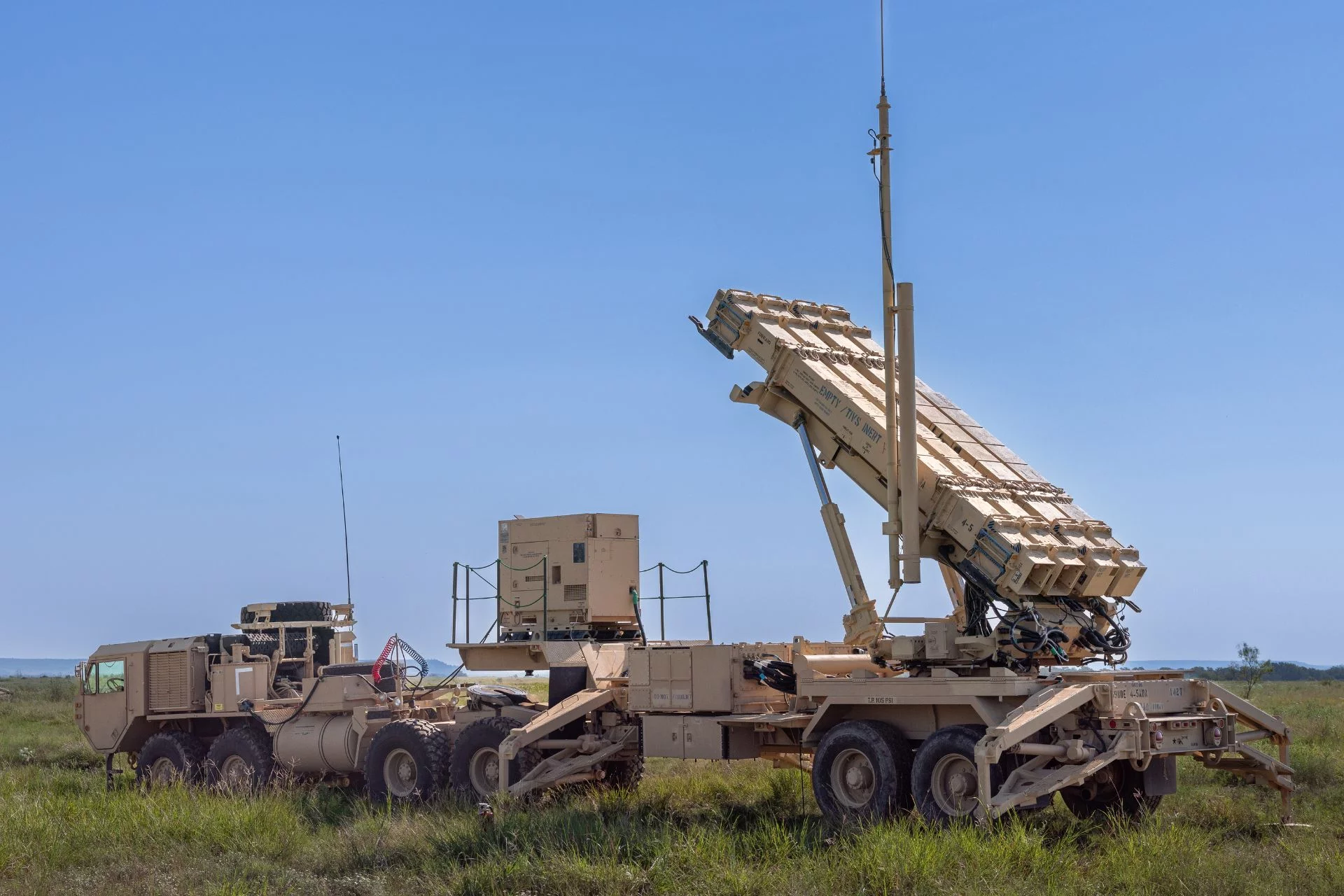
The U.S. Department of War has asked industry to boost output on a dozen priority missile lines by two to four times to rebuild inventories and prepare for a potential conflict with China. The request followed high-level summer meetings with prime contractors and responds to shortages exposed by recent wars, officials said.
Highlighted systems include layered air-defense interceptors and long‑range strike weapons: Patriot batteries and PAC‑3 MSE interceptors, SM‑6 on Aegis ships, Tomahawk cruise missiles, JASSM‑ER, AIM‑120 AMRAAM, and tactical weapons such as the AGM‑114 Hellfire. These families act together operationally — sharing tracks and firing solutions through integrated battle-management systems and offering both area defense and early-strike options against key nodes.
Industry experts warn that scaling production is not instantaneous. Critical subcomponents — solid rocket motors, seekers, radomes, guidance electronics, fuzes, and energetic materials — have long lead times and few qualified suppliers. Bottlenecks in motors and seekers, limited foundry capacity for radiation‑tolerant electronics, environmental permitting for energetics, and shortages of skilled labor could slow any ramp-up even with additional funding.
Operationally, the push reflects a shift from two decades of counterinsurgency focus toward preparing for high‑end, sortie-intensive conflict, where magazine depth and reload rates matter as much as platform performance. Secretary Hegseth has argued China is expanding conventional and nuclear forces and rehearsing options against Taiwan; in U.S. planning, resilient stocks of interceptors and long‑range strike munitions are now treated as core readiness metrics.
There is also a geopolitical dimension: while support for Ukraine consumed attention and resources, Washington is reallocating planning to the Indo‑Pacific. Partners such as Japan, South Korea and Australia are investing in air‑and‑missile defense and long‑range strike capabilities to complicate adversary operations. For industry, meeting Washington’s request implies multi‑year commitments: capital investment, workforce expansion, and predictable order books for sub‑tier suppliers to eliminate single‑point failures. Even with aggressive measures, quadrupling output of complex interceptors like PAC‑3 MSE will be a years‑long undertaking due to testing, certification, and supply‑qualification timelines.
