

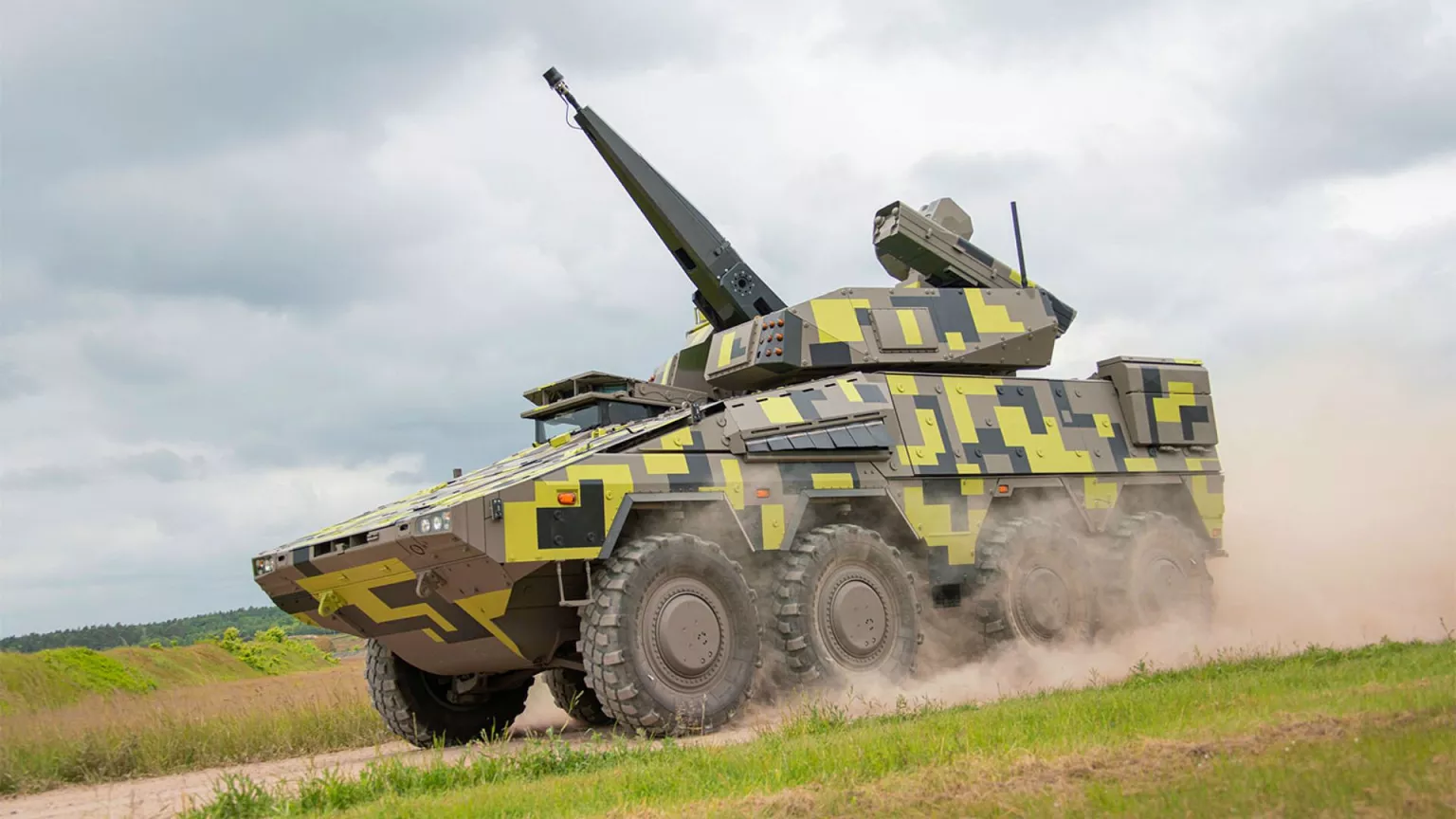
Germany is preparing for a major leap in its ground warfare capabilities as it enters advanced talks with defense manufacturer Rheinmetall to acquire up to 7,000 armored combat vehicles. According to Rheinmetall CEO Armin Papperger, the deal—if finalized—could be worth as much as €70 billion and would constitute one of the largest land systems procurements in German military history.
This extensive procurement plan is aimed at equipping multiple newly formed brigades as part of the Bundeswehr’s accelerated modernization drive. The expected fleet includes key armored assets such as the Leopard 2 main battle tank (particularly the latest A8 variant), the next-generation Puma infantry fighting vehicle, and the versatile Boxer 8×8 armored personnel carrier. This initiative aligns with Berlin’s efforts to boost NATO’s eastern flank in response to Russia’s invasion of Ukraine and growing geopolitical instability across Europe.
Germany’s shift from a posture of strategic restraint to rapid rearmament reflects its commitment to becoming a central player in European defense. Rheinmetall, already a major supplier to NATO, is poised to play a pivotal role in this transformation, providing cutting-edge combat platforms that combine mobility, protection, and digital warfare capabilities.
The Leopard 2A8, for example, introduces advanced features such as the Israeli-made Trophy active protection system, enhanced mine resistance, and superior sensor suites. The Puma IFV brings modular armor and advanced networking to the battlefield, while the Boxer offers unmatched flexibility through its interchangeable mission modules.
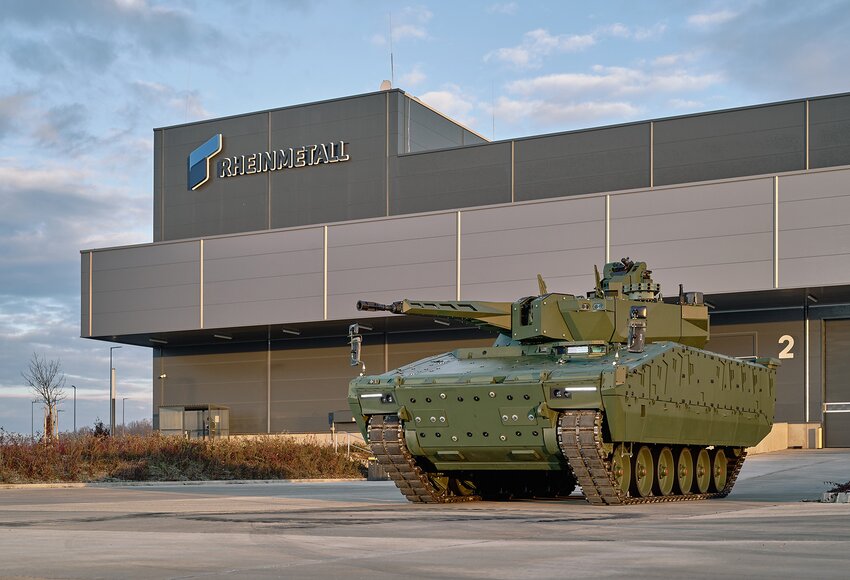
Germany’s current ground vehicle inventory includes over 300 Leopard tanks and nearly 700 IFVs, but much of the fleet consists of aging platforms like the Marder. The new vehicles will both replace outdated systems and support NATO’s rapid deployment initiatives. Importantly, this land power boost comes alongside other investments: Berlin plans to increase active-duty troop levels above 200,000 by 2030 and expand missile defense, cyber warfare, and logistics capabilities.
Having allocated a €100 billion special defense fund in 2022 and set targets to raise annual defense spending to 5% of GDP, Germany is on track to become NATO’s foremost conventional land power. With potential conflict scenarios involving Russia projected within the next decade, Berlin sees this military transformation as not just strategic, but urgent. If completed, the Rheinmetall contract would symbolize Germany’s reemergence as Europe’s core military force — ready, equipped, and allied.
