

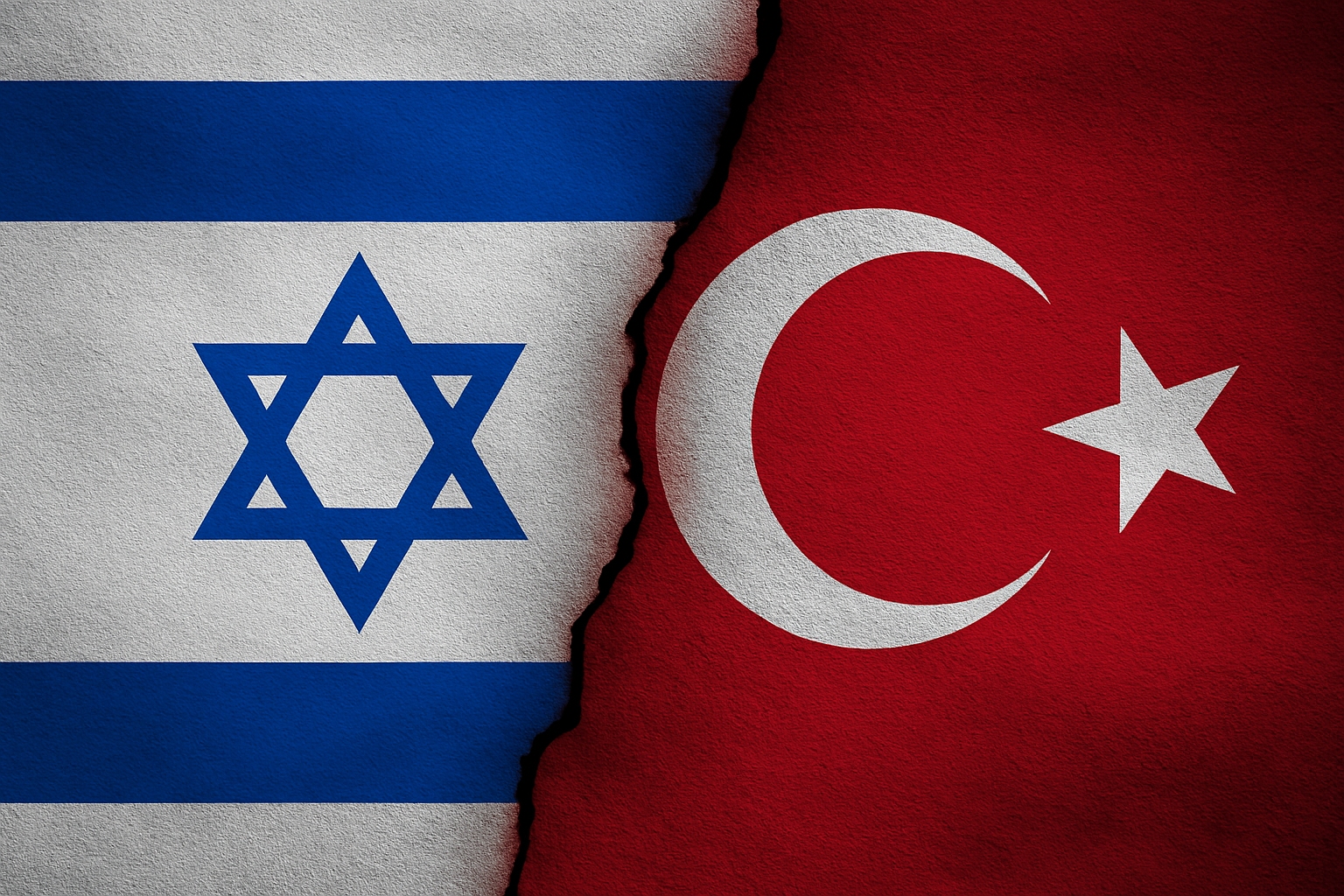
Relations between Turkey and Israel have followed a fluctuating course since the Cold War era. In 1949, Turkey became the first Muslim-majority country to recognize Israel, establishing diplomatic relations. This step was part of Turkey’s broader strategy to align itself with Western alliances at the time. From the 1950s through the 1980s, relations remained relatively stable, as both countries shared common interests against the Soviet threat. While Turkey officially maintained a neutral stance toward Israel, covert intelligence cooperation and economic ties strengthened. However, the shadow of the Palestinian issue loomed large; Turkey limited its rapprochement with Israel to avoid alienating the Arab world.
The 1990s are often remembered as the “golden years” of Turkish-Israeli relations. With the end of the Cold War, Turkey deepened its military and economic cooperation with Israel. The 1996 military training agreement marked the peak of this partnership through joint exercises and arms trade. While Turkey benefited from Israeli military technology, Israel leveraged Turkey’s strategic geography. This period was further reinforced by both nations’ integration into U.S.-led alliances. However, this closeness stirred controversy within Turkey; conservative segments accused successive governments of neglecting the Palestinian cause.
From the early 2000s onward, relations began to deteriorate. With Recep Tayyip Erdoğan’s rise to power in 2002, Turkish foreign policy embraced the “zero problems with neighbors” doctrine but the Israeli-Palestinian conflict upset this balance. Erdoğan’s harsh criticism of Israel led to growing diplomatic friction. By 2025, this historical backdrop has fueled the deepening tensions. Turkey accuses Israel of occupying Palestinian territories, while Israel accuses Turkey of pursuing regional hegemony. Combined with proxy conflicts in Syria and the ongoing Gaza crisis, the risk of direct confrontation has reemerged.
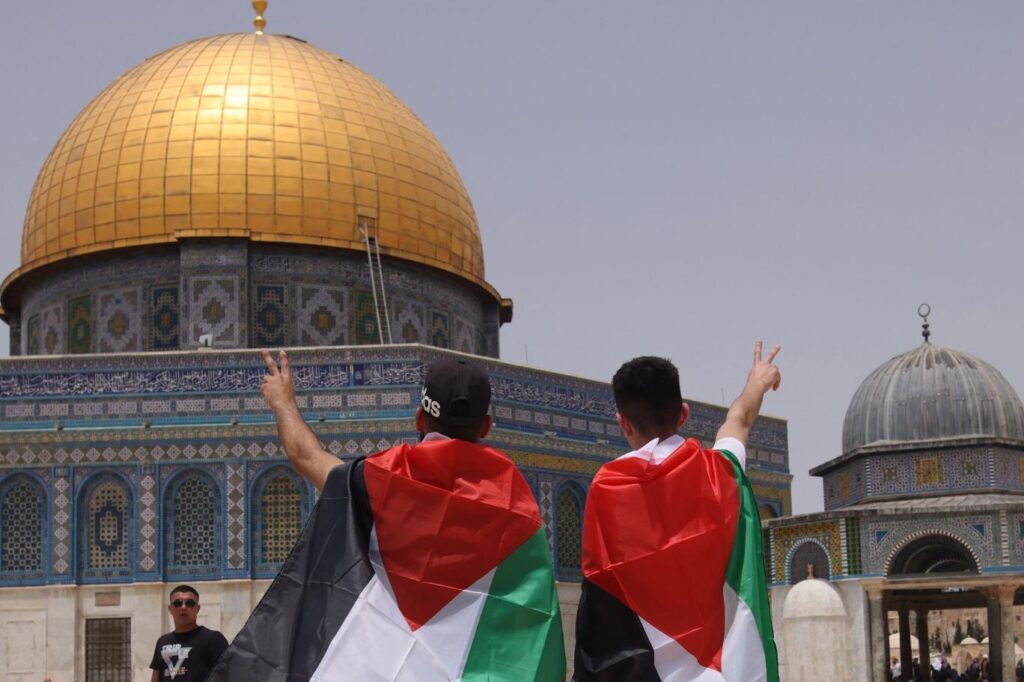
Past Crises: Accumulated Hostility
Past crises between Turkey and Israel have almost always been triggered by events centered around Palestine. In the early 2000s, the collapse of the Israeli-Palestinian peace process raised tensions. During the 2008–2009 Gaza War, Turkey condemned Israel and nearly suspended diplomatic relations. The breaking point came in 2010 with the Mavi Marmara incident. Israeli commandos raided the Turkish aid ship Mavi Marmara en route to Gaza, killing 10 Turkish citizens. Since the attack occurred in international waters, Turkey described it as an act of “state terrorism.” The Erdoğan government demanded an apology, compensation, and the lifting of the Gaza blockade. Relations froze; ambassadors were withdrawn, and military cooperation ended.
Crises persisted throughout the 2010s. In 2018, after the United States recognized Jerusalem as Israel’s capital, Turkey expelled the Israeli ambassador. Erdoğan’s labeling of Israel as a “terror state” further poisoned relations. A brief attempt at normalization in 2020 collapsed amid renewed violence in Gaza. Following Hamas’s October 7, 2023 attack, Israel’s bombardment of Gaza prompted Turkey to impose trade restrictions, close its airspace, and host Hamas leaders. Israel interpreted these moves as a “declaration of war” and responded by officially recognizing the Armenian Genocide a red line for Turkey.
In recent years, tensions have spread into Syria. Turkey’s northern operations overlap with Israel’s southern activities. Israel has destroyed Turkish surveillance assets and accused Ankara of supporting Hamas. In 2024–2025, Turkey issued an arrest warrant for Prime Minister Netanyahu, pushing relations to the brink. These crises have raised not only diplomatic but also military confrontation risks, as both nations compete for influence in Syria and the Eastern Mediterranean’s energy zones.
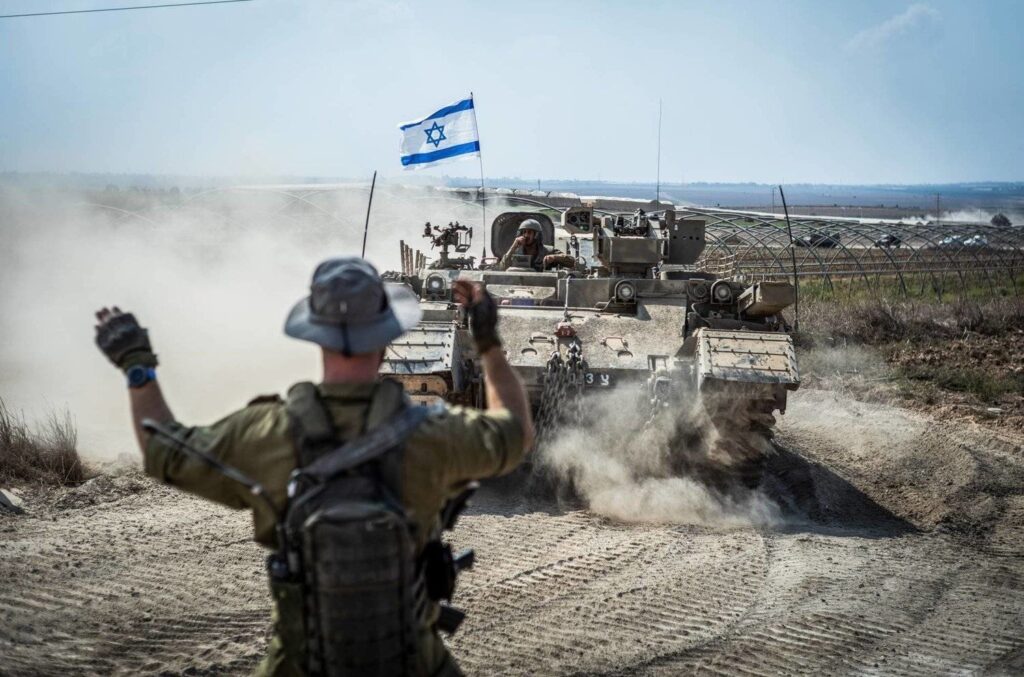
Israel’s Occupation of Palestinian Lands: A History of Colonialism
srael’s occupation of Palestinian territories remains one of the longest-standing examples of modern colonialism. Its origins trace back to the 1948 Arab-Israeli War, but the decisive turning point came during the Six-Day War in 1967, when Israel occupied the West Bank, Gaza Strip, East Jerusalem, and the Golan Heights. According to international law, these territories are occupied lands. UN Security Council Resolution 242 demands Israel’s withdrawal, but Israel instead annexed East Jerusalem in 1980, declaring it its “eternal capital” a move unrecognized by any other state.
The occupation has been reinforced through a systematic settlement policy. Since 1967, Israel has placed over 700,000 Jewish settlers in the West Bank. These settlements expropriate Palestinian land, water, and agricultural resources. Amnesty International describes the policy as one of “land theft, illegal settlement, and institutional discrimination.” Although Israel withdrew from Gaza in 2005, it maintains control through an air, land, and sea blockade effectively turning Gaza into an open-air prison. The occupation is upheld by discriminatory laws: Palestinians in the West Bank face military courts, while settlers are tried in civilian courts.
This occupation carries clear elements of ethnic cleansing. Since 1967, thousands of Palestinian homes have been demolished and millions displaced. According to the UN, Israel’s actions constitute war crimes. Turkey has repeatedly condemned the occupation and backed the Palestinian cause, with Erdoğan labeling Israel a “colonial state.” The occupation threatens not only Palestinians but also regional peace, forcing countries like Turkey to adopt increasingly hostile stances toward Israel.
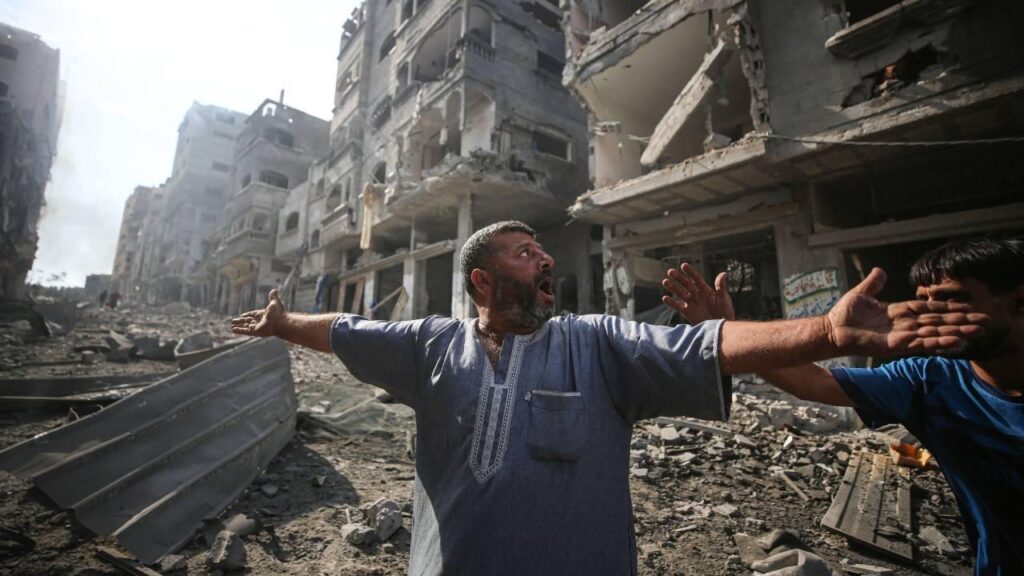
The October 7 Events and the Gaza Massacre: Israel’s Atrocity
Hamas’s October 7, 2023 attack on Israel marked a turning point in the conflict. Hamas militants breached Israel’s border, taking about 250 hostages. While this attack was seen as a response to Israel’s years-long blockade and occupation of Gaza, Israel’s retaliation unleashed unprecedented brutality. Under the pretext of “destroying Hamas,” the Netanyahu government launched massive air and ground assaults, indiscriminately targeting civilians hospitals, schools, and refugee camps.
The devastation in Gaza reached genocidal levels. Between 2023 and 2025, Israeli attacks killed over 67,000 Palestinians, the majority of them women and children. UN reports confirm that Gaza’s infrastructure collapsed: 80% of homes were destroyed, and power and water shortages triggered famine and disease outbreaks. Israel blocked humanitarian aid, implementing collective punishment. The International Criminal Court (ICC) issued arrest warrants for Netanyahu and senior officials, while Turkey joined in labeling Israel’s actions as genocide.
The war expanded regionally. Israel’s assassination of Hezbollah leader Hassan Nasrallah provoked Iran, which retaliated with missile strikes in October 2024. Despite ceasefire attempts in 2025, Israeli bombardments continued under the guise of “security operations.” The ongoing atrocities pushed Turkey into a more assertive stance. Erdoğan declared Israel a “terror state” and positioned Turkish forces against Israeli interests in Syria. The Gaza crisis exposed Israel’s colonial nature, while the silence of the international community remains a moral failure.
Risk of Conflict and Regional Dangers
By 2025, Turkey-Israel tensions rooted in decades of history have reached their peak. Rivalry in Syria, the Gaza genocide, and economic sanctions have heightened the risk of direct conflict. Despite its NATO membership, Turkey maintains a firm anti-Israel stance, while Israel views Turkey as a strategic threat. This dynamic could destabilize the entire Eastern Mediterranean and the Middle East
Peace is only possible if Israel ends its occupation; otherwise, the region may be heading toward another major war. Israel’s greatest fear is the deployment of Turkish troops to Gaza under a UN Peacekeeping Force. Israel’s political strategy aims to separate Gaza permanently from Palestine, and new operations to achieve this remain a strong possibility. A Turkish-led peacekeeping force would block Israel’s reentry into Gaza raising the unprecedented prospect of direct military confrontation between Turkish and Israeli forces.

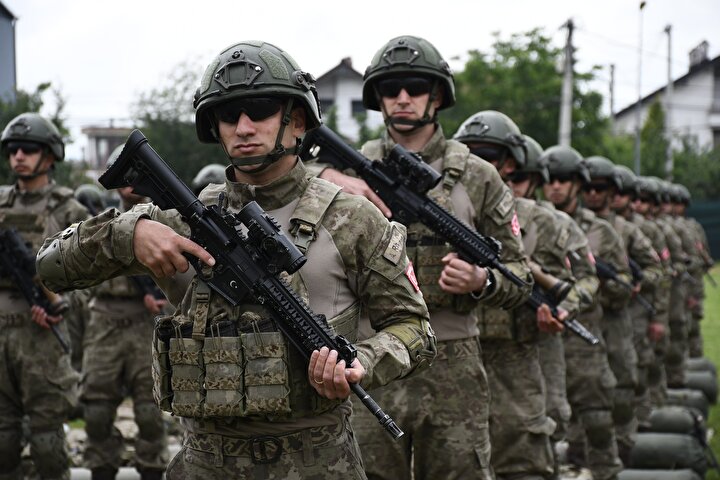
Reports suggest Turkey is preparing to deploy elite commandos to Gaza. Historically, Turkey does not withdraw from a region until it achieves its objectives. Yet Israel is far from an easy adversary. Due to its global influence, Turkey hesitates to engage in a full-scale war. Still, Israel’s concerns are valid Turkey is not Iran. Unlike Iran, Turkey’s geopolitical position enables it to impose a naval blockade or amphibious landing against Israel. In fact, Turkey commands the region’s largest amphibious and airborne assault forces. Should Israel and Turkey clash directly, Israel would have little choice but to seek U.S. military assistance.
